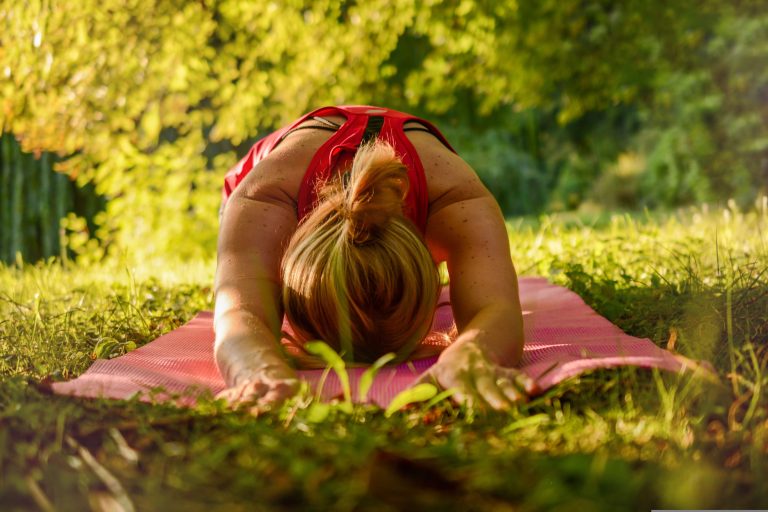


Today, many people experience stress because of work, family responsibilities, financial pressure, and busy daily lives. If you’re looking for a simple way to reduce stress naturally, walking is one of the easiest habits to start. Walking for mental health supports both your body and mind without requiring expensive equipment or a gym membership.
Walking benefits more than just your physical health. A short walk each day can help reduce stress, calm your mind, and leave you feeling more refreshed and positive throughout the day.
In this article, we’ll explore how walking for mental health can support your emotional well-being and become a simple habit for a healthier, happier life.
Related: To learn more about the overall health benefits of walking, read our complete guide: Best Time to Walk
How Walking Helps Reduce Stress and Anxiety Naturally
When you’re feeling overwhelmed or mentally exhausted, one of the easiest things you can do is take a 15 to 20-minute walk.
As you walk, your body naturally releases chemicals such as endorphins and serotonin, often called the body’s “feel-good” chemicals. Research suggests these natural chemicals can help improve your mood, reduce feelings of stress, and promote a greater sense of calm.
Walking also gives your mind a short break from daily worries. Stepping away from stressful situations for even a few minutes often helps you return with a clearer perspective and a calmer mindset.
Health experts also note that regular walking throughout the week may help improve mood, manage everyday stress, and support overall mental well-being.
Reduce Stress While Improving Mental Clarity and Focus
After spending hours at a computer or concentrating on demanding tasks, it’s normal to feel mentally drained.
A short walk can increase blood flow and oxygen delivery to the brain, helping you feel more alert and focused. Many people notice that their thoughts become clearer after spending a little time walking outdoors.
It’s also common to come up with creative ideas while walking. Giving your mind a chance to slow down often makes it easier to think clearly and solve problems.
Walking in a quiet environment may also help reduce overthinking, allowing your mind to relax and reset before returning to your daily tasks.
Morning Walks to Reduce Stress and Start the Day Positively
Many people begin their day by checking their phones as soon as they wake up. While this has become a common habit, it can sometimes increase stress before the day has even started.
Instead, consider spending 20 minutes on a morning walk. It gives both your body and mind a healthier start to the day.
Exposure to natural morning light helps support your body’s internal clock (circadian rhythm), making it easier to feel awake, energized, and ready for the day ahead.
Fresh air, quiet surroundings, and gentle movement can also create a sense of calm that stays with you long after your walk is over.
Reduce Stress and Sleep Better with Daily Walking
Good sleep plays an important role in maintaining both physical and mental well-being. However, stress, anxiety, and constant overthinking often make it difficult for many people to fall asleep at night.
This is where walking for mental health can make a difference. A 20 to 30-minute walk during the day or in the early evening can help your body naturally unwind and prepare for a more restful night’s sleep.
When you sleep well, you’re more likely to wake up feeling refreshed, focused, and emotionally balanced. That’s why the benefits of walking don’t end when your walk is over—they can continue into the next day.
Related: Want to learn more? Read our guide on Evening Walk Before Dinner Benefits
Walking in Nature Can Help You Feel More Relaxed
Modern life often means spending hours in front of computers, smartphones, and televisions. Over time, this constant screen time can leave your mind feeling tired and overwhelmed.
Whenever possible, try walking in a park, along a tree-lined path, near the beach, or in another peaceful outdoor setting. Even a short amount of time in nature can help you feel calmer and more refreshed.
The sound of birds, fresh air, green surroundings, and open skies can gently shift your attention away from daily worries and create a greater sense of peace.
This can be especially beneficial for people who live in busy cities or spend most of their day indoors.
Simple Daily Habits to Help Reduce Stress
The benefits of walking become even greater when it becomes part of your daily routine. The good news is that you don’t need a complicated fitness plan to get started.
Here are a few simple ideas to make your walks more enjoyable:
- Listen to your favorite music or a podcast.
- Walk with a friend or family member.
- Walk at a comfortable pace instead of rushing.
- Put your phone away for a while and enjoy your surroundings.
- Try walking at the same time each day to build a consistent habit.
Remember, walking isn’t a competition. What matters most is finding a routine that you can enjoy and maintain over the long term.
What Do Health Experts Say?
Leading health organizations, including the World Health Organization (WHO), recommend regular physical activity as an important part of maintaining both physical and mental health.
Walking is a safe, low-impact form of exercise that most people can include in their daily routine. Staying physically active on a regular basis may help support emotional well-being while also improving overall health.
External Link: World Health Organization (WHO) – Physical Activity Guidelines

Easy Ways to Add More Walking to Your Day
Even if you don’t have time for a long walk every day, small changes can make a meaningful difference.
You can increase your daily activity by:
- Taking the stairs instead of the elevator.
- Walking short distances instead of driving whenever possible.
- Walking while talking on the phone.
- Taking a 10 to 15-minute walk after lunch.
These small habits may seem simple, but over time they can help you become more active while supporting both your physical and mental well-being.
Frequently Asked Questions (FAQ)
For most adults, walking for 20 to 30 minutes a day is a great place to start. If you’re new to regular exercise, begin with a 10 to 15-minute walk and gradually increase your time as your fitness and confidence improve.
Walking can be an effective way to support your mental well-being and reduce everyday stress. However, if stress or anxiety becomes severe, lasts for a long time, or begins to interfere with your daily life, it’s important to speak with a qualified healthcare professional. Walking should be viewed as a healthy habit that supports your overall well-being, not as a replacement for professional medical care.
The best time to walk depends on your lifestyle and personal preference.
Morning walks can help you start the day feeling refreshed, focused, and energized.
Evening walks may help you unwind after a busy day and prepare your body for a better night’s sleep.
The most important thing is to choose a time that fits your routine so you can stay consistent.
Not necessarily. You don’t need expensive footwear to enjoy the benefits of walking. A comfortable pair of well-fitting walking shoes that provides good support is usually enough for most people.
Key Takeaways for Walking for Mental Health
Improving your mental well-being doesn’t always require major lifestyle changes. Small, consistent habits can make a meaningful difference over time.
Here are a few simple reminders:
- Aim to walk for 20 to 30 minutes most days of the week.
- Choose parks, trails, or other natural settings whenever possible.
- Make walking a regular habit rather than an occasional activity.
- Walk at a pace that feels comfortable for you.
- Focus on consistency instead of perfection.
Final Thoughts
Walking for mental health is one of the simplest and most affordable ways to support both your mind and body. A short daily walk may help reduce stress, calm your thoughts, improve your mood, and contribute to your overall well-being. It’s also a budget-friendly habit that almost anyone can include in their daily routine.
The goal isn’t to walk long distances in a single day. Instead, focus on staying active consistently. Small steps taken every day can lead to lasting improvements in both physical and mental health.
Start with one simple walk today. Over time, that small step can become a healthy habit that helps you feel calmer, happier, and more energized every day.
Recommended Reading
Continue your healthy walking journey with these helpful guides:
Trusted References
For more evidence-based health information, visit these trusted resources: