
Stretching before and after exercise is a simple habit that can easily become part of a regular workout routine. Before starting a workout, we often think about the practical things. Are my shoes ready? Do I have my water bottle? How long am I going to exercise today?
But there is one small habit that is easy to forget. That habit is stretching.
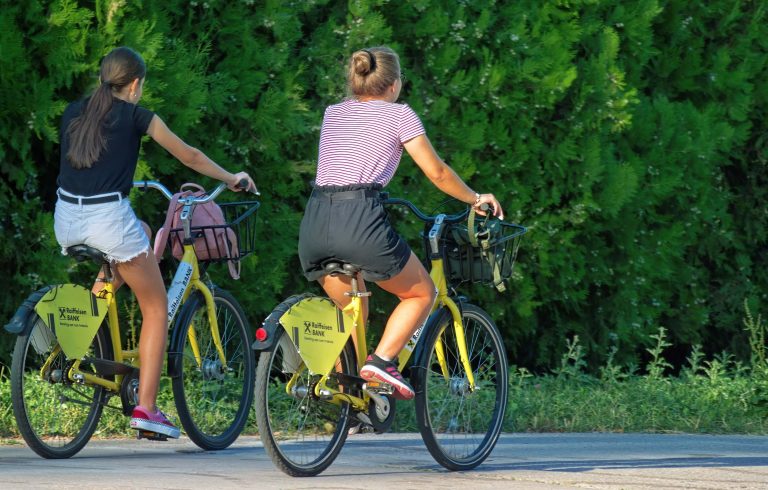
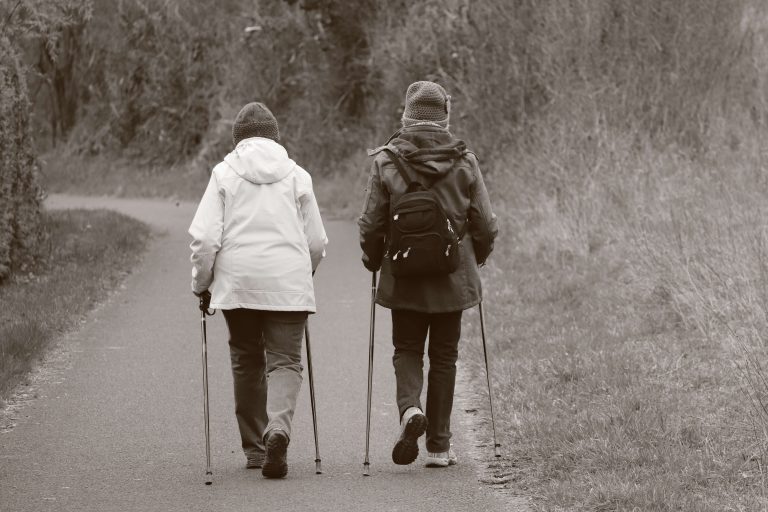
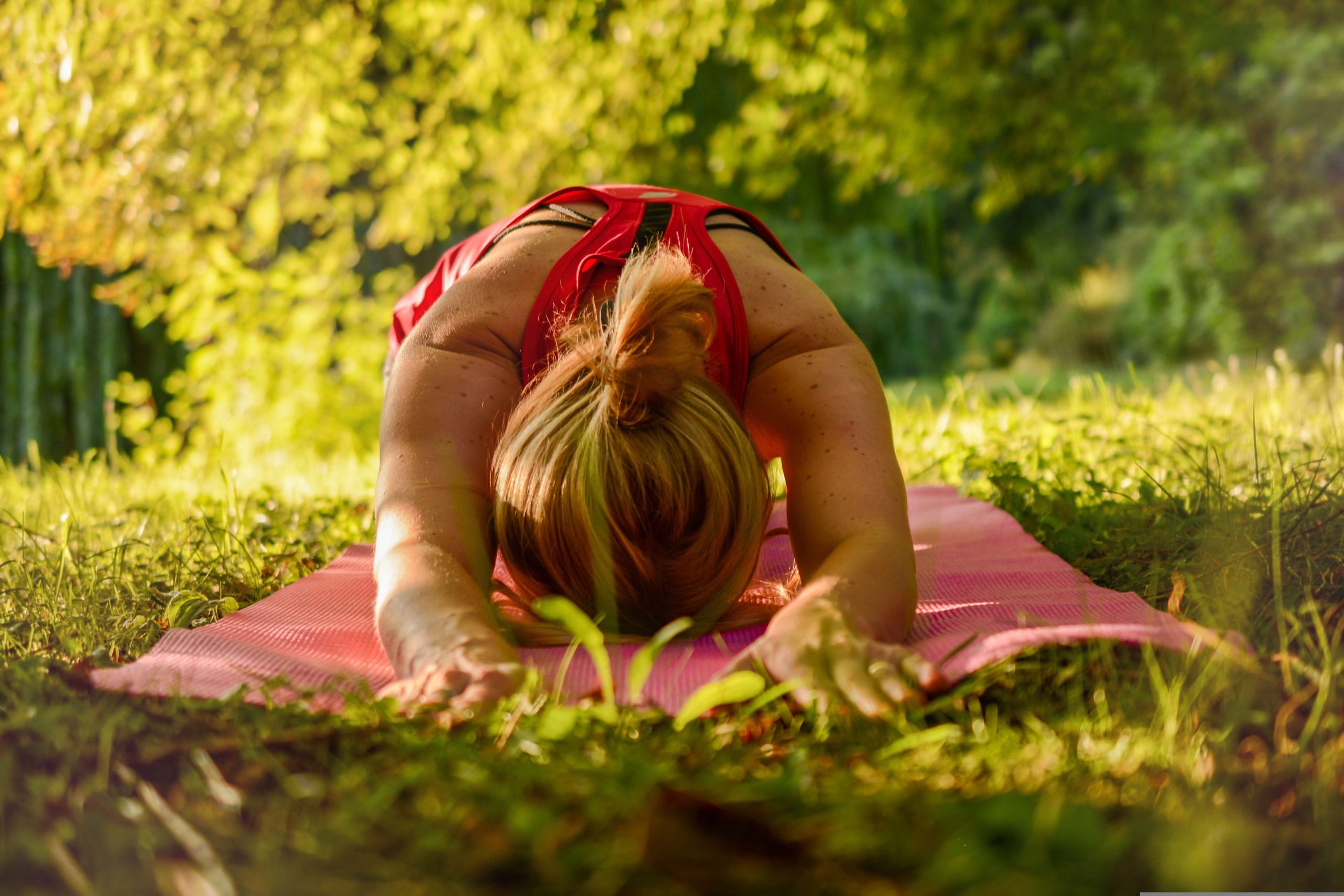
Stretching is not only for athletes. Whether you enjoy a morning walk, work out at the gym, go cycling, play sports, or do a simple workout at home, stretching can be a useful part of your exercise routine.
However, when you stretch and how you stretch matters. Preparing your body before exercise and helping it settle down after exercise do not always need to be done in the same way.
Understanding a few simple stretching habits can help you make your daily exercise routine feel more comfortable and easier to follow.
What Is Stretching?
Stretching involves gentle movements that lengthen or move the muscles and joints through a comfortable range of motion.
For example, you might place one leg forward and gently stretch the muscles of the other leg. You might also raise both arms overhead and gently lengthen your upper body. These are simple examples of stretching.
Many people think stretching is something you only do before exercise. However, stretching can also be used after exercise, with different approaches for each part of your routine.
There are two main types of stretching worth knowing.
Dynamic stretching involves controlled movement as you stretch.
Static stretching involves moving into a stretch position and holding it for a period of time.
These two types of stretching do not necessarily need to be used in the same way or at the same time.
Stretching Before Exercise: Should You Do It?
When stretching before exercise, it is helpful to think about the activity you are about to do.
Before running, cycling, dancing, playing sports, or doing another active workout, starting with gentle movement can be a simple way to prepare.
For many exercise routines, dynamic movements may be more suitable before a workout than spending a long time holding static stretches.
For example, before exercise, you might try:
- Gentle arm and shoulder circles
- Slow leg swings
- Marching in place
- Easy walking movements
- Simple movements that are similar to the activity you are about to do
The goal is not to suddenly push your body into intense exercise. Instead, it is to gradually get your body used to movement.
If you already enjoy walking as part of your routine, you can also read The Health Secrets of Daily Walking for more ideas about making walking a regular habit.
Warm Up Before Stretching
A gentle warm-up before stretching can be a useful habit, especially if you are exercising early in the morning or after sitting still for a long time.
Start with a few minutes of easy movement, such as slow walking, marching in place, or gently moving your arms and legs. You can then add a few dynamic movements that match your workout.
Your warm-up does not need to be complicated. The goal is simply to gradually prepare your body for activity.
For general guidance on staying active at different ages, you can also refer to the World Health Organization’s guidelines on physical activity and sedentary behaviour.
What Is Dynamic Stretching?
Dynamic stretching involves controlled movement rather than staying still in one stretch position.
Simple examples include walking lunges, gentle leg swings, and arm circles.
However, these movements do not need to be fast or forceful.
The main idea behind dynamic stretching is to maintain controlled and comfortable movement.
If you are going for a run, you might choose some simple movements involving your legs and hips. If you are doing an upper-body workout, you can choose movements that involve your shoulders and arms.
This means your stretching routine does not have to look the same as someone else’s.
Stretching Before and After Exercise Should Match Your Activity
Choosing stretches that match your exercise can make your routine more practical.
For example, the movements that feel useful before a long walk may be different from the movements you choose before basketball or tennis.
You also do not have to follow a long stretching routine simply because you found one online.
Think about which parts of your body you will use most during your workout and choose a few simple movements that fit the activity.
If you are walking, for example, you might start with comfortable movements involving your legs, hips, and ankles.
For a gym workout, you can choose warm-up movements that relate to the main exercises you plan to do.
This way, stretching does not become another big task on your schedule. Instead, it becomes a natural part of your exercise routine.
Do Not Force a Stretch
One of the most important things to remember when stretching is not to force your body into a stretch.
You may feel gentle tension when you stretch. However, there is no need to pull your body so far that the stretch becomes painful.
The idea that “the more you stretch, the better the result” is not a good reason to push beyond your comfortable range.
Pay attention to the signals your body gives you.
If a stretch starts to feel uncomfortable or painful, reduce the movement or stop and return to a more comfortable position.
This is especially important for beginners who are still learning how their bodies respond to different movements.
Stretching is not a battle with your body. It is simply a small habit that can help you become more comfortable with movement.
A Simple Start for Beginners
If you are new to stretching, you do not need to begin with a long routine. Start with a few minutes of gentle movement and add a few easy stretches that match your activity.
Focus on moving comfortably rather than trying to complete a long routine. Start at a level that feels right for you and gradually build from there.
Stretching After Exercise: Helping Your Body Slow Down
After your workout, spend a few minutes gradually slowing down rather than stopping everything immediately. If you have been walking or running, for example, move at an easier pace for a few minutes.
Once your intensity has come down, you can add a few comfortable static stretches if they feel right for you.
What Is Static Stretching?
Static stretching involves slowly moving into a stretch position and holding that position for a period of time while staying comfortable.
For example, you might extend one leg forward and gently stretch the back of the leg. Another simple example is using a wall for support while doing a comfortable calf stretch.
These types of stretches can be included as part of a cool-down after exercise.
But remember the same important rule:
Do not force the stretch.
Hold the stretch only to the point where you feel gentle tension. If you feel pain, ease out of the position or stop.
Why Stretch After a Workout?
The way people feel after stretching can vary from person to person.
For some people, gentle stretching after a workout may feel like a relaxing way to finish their exercise. For others, it may simply become a comfortable part of their regular routine.
There is no need to make big promises about stretching. It does not need to be presented as a way to eliminate all muscle soreness or guarantee that an injury will never happen.
Instead, focus on moving in a way that feels appropriate for your body and creating a simple cool-down routine that you can comfortably maintain.
A Simple Post-Exercise Stretching Routine
You do not need a long routine after a workout. A few simple movements can be enough to get started.
For example, after walking or a lower-body workout:
First — walk slowly.
Instead of stopping immediately, walk at an easy pace for a few minutes.
Second — try a calf stretch.
Use a wall for support, place one leg behind you, keep the heel on the ground, and gently move into a comfortable stretch.
Third — try a thigh stretch.
If you can maintain your balance comfortably, gently bend one leg behind you and stretch the front of the thigh. Use a wall or another stable support if you need it.
Finally — breathe slowly.
Take a few comfortable breaths and allow your workout to come to an end.
This is only an example. Your movements can be changed according to your exercise type and fitness level.
Common Stretching Mistakes Beginners Make
Stretching is simple, but beginners can sometimes develop habits that make it less comfortable.
Stretching Without Warming Up
Moving straight into a strong stretch after sitting still for a long time is not a good habit.
Instead, start with some easy walking or gentle movements and gradually become more active.
Bouncing While Stretching
Avoid quickly bouncing your body forward or backward while holding a stretch.
Try to keep the movement controlled and gentle.
Holding Your Breath
Some people unknowingly hold their breath while stretching.
Try to breathe normally as you stretch. Keep your attention on your movement and body position rather than holding your breath.
Comparing Yourself With Others
Your flexibility does not need to be the same as someone else’s.
Someone else may be able to touch the floor easily while you cannot. That does not automatically mean something is wrong.
What matters is working within a comfortable range that suits your own body.
Trying to Stretch Through Pain
The idea that “pain means it is working” is not a good guide for stretching.
Learn to recognise the difference between gentle tension and pain.
If you experience pain, sharp discomfort, or an unusual sensation, stop the stretch rather than trying to push through it.
Stretching at Different Ages and Fitness Levels
A stretching routine does not have to look the same for everyone.
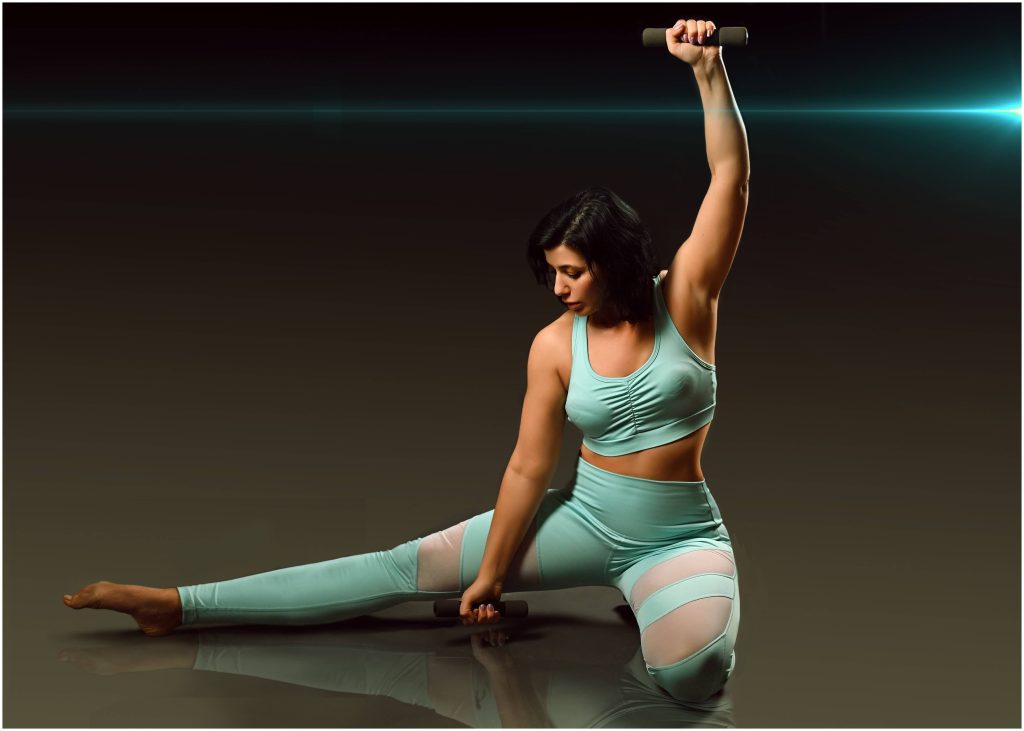
A movement that feels easy for a younger, active person may be more challenging for an older adult. Likewise, someone who is new to exercise may need a simpler routine than someone who exercises regularly.
When choosing stretches, think about your age, balance, flexibility, and current level of physical activity.
If you are not confident with your balance, use a wall or another stable support when doing standing stretches.
Older adults and people who have not exercised for a long time may find it more practical to start slowly and build up gradually.
If you already have an injury, ongoing pain, or another physical limitation that makes movement difficult, consider getting appropriate advice from a qualified healthcare professional before starting a demanding stretching routine.
Stretching Does Not Need to Be Complicated
When you search online, you can find many different stretching routines, positions, and long workout plans.
But you do not need to follow all of them.
If you walk regularly, a few simple warm-up and cool-down movements that fit your walking routine may be enough to get started.
If you go to the gym, choose movements that suit your workout.
If you play a sport, think about the types of movements involved in that activity.
The goal is not to add another complicated task to your exercise routine. It is to find a simple habit that fits naturally into your active lifestyle.
Listen to Your Body
Listening to your body is an important part of stretching.
A movement that feels comfortable today may not feel exactly the same tomorrow. Sleep, your activity level, tiredness, and your general physical condition can all affect how exercise feels.
That is why you do not need to stretch at exactly the same intensity every day.
On some days, a few gentle stretches may be enough.
Keeping your routine simple and consistent can be easier than trying to complete a long stretching session once in a while.
The real value of stretching is often found in making it a natural part of your everyday active life.
A Simple Stretching Routine You Can Actually Follow
After learning about stretching, you may wonder how to fit it into your day. The easiest approach is to keep it simple and adjust it to your own schedule.
You do not need a complicated routine.
Before exercise, gently prepare your body for movement. After exercise, gradually reduce the intensity and add a few comfortable stretches.
You can adjust the routine to suit your own needs and schedule.
Before Exercise: A Few Minutes to Get Moving
Before exercise, start by getting your body moving gently.
You can walk slowly for a few minutes or march in place.
Then add a few dynamic movements that match your workout.
For example:
- Gentle arm and shoulder circles
- Slow leg swings
- Easy bodyweight movements
- Marching slowly in place
- Simple movements similar to your sport or activity
There is no need to perform these movements quickly.
Keep them controlled and comfortable as you gradually prepare your body for movement.
If you are going for a run, you could begin with an easy walk and gradually move into a jog. If you are cycling, start at an easy pace before moving towards your usual pace.
This gradual start can make the transition into your workout feel more natural.
After Exercise: Slow Down Before You Stop
After your workout, avoid stopping suddenly if you can comfortably continue moving.
If you have been running, move into a slow walk.
If you have been cycling, reduce your pace.
If you have done a home workout, walk gently or use easy movements to gradually reduce the intensity.
Then choose a few comfortable static stretches.
You can focus on areas such as your calves, thighs, hips, shoulders, and arms, depending on which parts of your body were most involved in your workout.
As you stretch, keep your body relaxed and breathe normally.
There is no need to stretch until you feel pain.
How Long Should You Stretch?
There is no single exact amount of time that everyone needs to spend stretching.
Your exercise type, fitness level, flexibility, and available time can all influence your routine.
For example, on a busy morning, you could begin by setting aside a few minutes for warm-up movements.
After your workout, add a short cool-down and a few comfortable stretches.
The most important thing is not turning stretching into a long session.
Find a routine that you can realistically keep doing.
A Simple Example for a Walking Day
If walking is part of your daily routine, your stretching routine can be very simple.
Before your walk
Start by walking slowly for a few minutes. Then try a few gentle ankle, leg, and hip movements.
After that, gradually move towards your normal walking pace.
After your walk
When you finish walking, continue at an easy pace for a few minutes.
Then try a few comfortable static stretches for areas such as your calves and thighs.
Finally, have some water and return to your normal day.
You do not need special equipment for this simple routine.
If you want to make walking a more regular part of your lifestyle, you can also read How Long Should You Walk for Weight Loss? for another practical walking guide.
A Simple Example for a Home Workout
The same idea can be used if you exercise at home.
Before your workout, do a few gentle movements and dynamic stretches.
Then begin your workout.
When you finish, gradually reduce the intensity.
Finally, add a few comfortable static stretches for the muscles you used most during the workout.
If your workout is more intense, you can adjust your stretching routine to match it.
What If You Do Not Feel Like Stretching?
Some days, you may not even feel motivated to exercise.
On those days, do not think of stretching as another big task.
Start with a few minutes of gentle movement.
Do one stretch.
Then try another if you feel comfortable.
You may decide to stop there. Or you may feel like doing a few more movements.
The goal is not to complete a perfect routine every day.
The goal is to keep building the habit of staying active.
Stretching Should Fit Into Your Lifestyle
A healthy lifestyle does not mean spending every minute of your day exercising.
Walking as part of your daily activities, taking the stairs, cycling, dancing, or doing other physical activities can all be part of an active lifestyle. Small habits such as stretching can fit into that lifestyle too.
If you exercise in the morning, add stretching to your routine.
If you exercise in the evening, you can stretch after your workout.
Whatever your schedule looks like, find a time that works for you.
When a habit is simple, it is often easier to keep doing it.
When Should You Be More Careful?
Stretching is generally a simple form of physical activity, but not everyone should move in exactly the same way.
If you already have an injury, ongoing pain, balance problems, or difficulty with certain movements, it may be better to get appropriate advice from a qualified healthcare professional before starting a demanding stretching routine.
If you experience sharp pain or unusual discomfort while exercising or stretching, do not ignore it.
Pay attention to the signals your body is giving you.
The Goal Is Consistency, Not Perfection
When you start stretching, there is no need to rush to achieve a high level of flexibility.
Do what feels comfortable for you today.
Over time, some movements may begin to feel easier.
You may also become more aware of which movements feel comfortable and which areas of your body need more attention.
So, instead of comparing yourself with someone else, pay attention to your own progress.
Final Thoughts
Stretching is not only for people who are just starting to exercise. Whether you walk, run, cycle, play sports, or enjoy a simple home workout, you can add stretching habits that fit your own routine.
Before exercise, gently prepare your body for movement. Use dynamic movements to get ready for your activity.
After exercise, gradually reduce the intensity and try a few comfortable static stretches.
At the same time, avoid forcing your body into a stretch. Consider your age, fitness level, flexibility, and personal limitations.
You do not need a perfect routine every day.
Stretching is not an extra chore. It can simply be a small habit that becomes part of an active lifestyle.
Set aside a few minutes to move your body gently and start with something simple. Small habits can become a natural part of everyday life when you keep coming back to them.
Start small today, and let your routine grow at a pace that feels right for you.