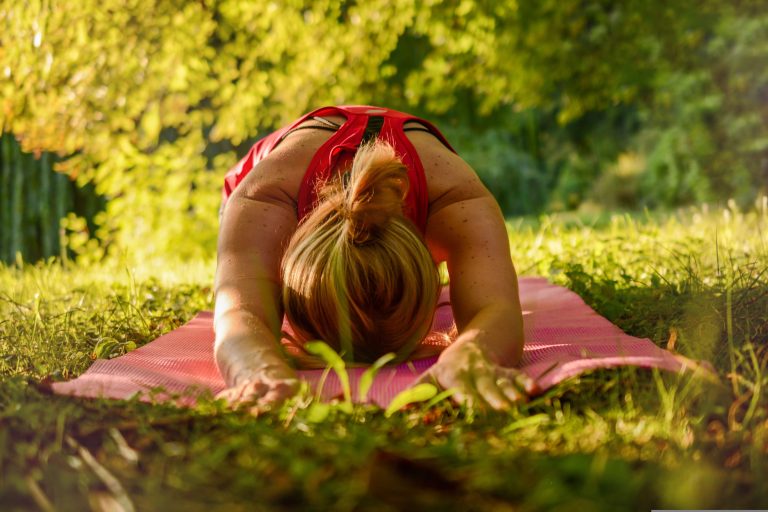


Choosing the best time to walk is one of the most common questions for anyone starting a healthier lifestyle. Walking is one of the simplest and most effective ways to improve your overall health. You don’t need an expensive gym membership, special equipment, or complicated workout routines. A comfortable pair of walking shoes and a little time each day are enough to get started.
Yet one question comes up again and again:
Is it better to walk in the morning or in the evening?
Some people enjoy starting the day with fresh air and peaceful surroundings, while others prefer taking a relaxing walk after work to unwind and clear their minds.
Both choices offer excellent health benefits.
The truth is, there isn’t one “perfect” time that works for everyone.
The best walking schedule depends on your daily routine, personal preferences, and fitness goals.
Whether you’re trying to lose weight, improve your heart health, reduce stress, sleep better, or simply become more active, understanding the advantages of morning and evening walks will help you choose a routine you can stick with for the long term.
The good news is that both morning and evening walks can improve your health. What matters most isn’t the time of day—it’s how consistently you walk.
Quick Answer: Is It Better to Walk in the Morning or Evening?
If you’re looking for a simple answer, here it is:
- Morning walks are ideal if you want more energy, better focus, and a consistent daily routine.
- Evening walks are excellent for reducing stress, relaxing after a busy day, and supporting better sleep.
- For weight loss, neither is significantly better than the other. The key is walking regularly while maintaining healthy eating habits.
Instead of searching for the perfect time, choose a walking schedule that naturally fits your lifestyle.
A 30-minute walk that you enjoy five days a week will always produce better long-term results than an hour-long walk that you struggle to maintain.
Consistency will always outperform perfection.
Which Is Better: Morning or Evening Walk?
Morning walking is best for boosting energy, improving focus, and building a consistent routine. Evening walking is better for reducing stress, relaxing after work, and supporting better sleep. For weight loss, both are equally effective if you walk consistently.
Why Walking Every Day Matters
Before comparing morning and evening walks, it’s important to understand why walking is considered one of the healthiest forms of exercise.
Walking is a low-impact activity that people of almost any age or fitness level can enjoy. It places less stress on your joints than many high-intensity workouts, making it an excellent choice for beginners, older adults, and anyone returning to exercise after a break.
Even a short walk each day can make a meaningful difference to your physical and mental well-being.
Regular walking may help you:
- Improve heart health
- Strengthen muscles and joints
- Support healthy weight management
- Improve blood circulation
- Increase daily energy levels
- Reduce stress and anxiety
- Improve sleep quality
- Lower the risk of many chronic diseases
Perhaps the greatest benefit of walking is its simplicity.
Unlike many fitness programs that are difficult to maintain, walking can easily become part of your everyday routine. Small daily walks may not seem life-changing at first, but over weeks and months, those small efforts add up.
The healthiest exercise isn’t necessarily the hardest one.
It’s the one you’ll still be doing months from now.
Related: If you’re new to walking, don’t miss our complete Beginner’s Guide to Walking Every Day, where you’ll learn how to build a simple routine that lasts.
According to the World Health Organization (WHO), adults should aim for at least 150 minutes of moderate-intensity physical activity each week. Walking is one of the easiest ways to achieve this recommendation.
For more physical activity recommendations, visit the World Health Organization (WHO) Physical Activity Guidelines.
Why Morning Is the Best Time to Walk for Many People
Many people love starting their day with a morning walk, and it’s easy to see why. For many people, the best time to walk is early in the morning because it helps them start the day feeling energized and focused. The fresh air, peaceful surroundings, and quiet streets can help you feel refreshed before the day gets busy.
While morning walking isn’t the only healthy option, it offers several benefits that make it a great choice for many people.
Let’s take a closer look.
1. Boosts Your Energy Naturally
If you often feel tired when you wake up, a morning walk may be one of the simplest ways to feel more alert.
Walking increases blood circulation and helps deliver more oxygen throughout your body. As a result, you may feel more awake, refreshed, and ready to begin your day.
Instead of relying only on another cup of coffee, even a 20 to 30-minute walk can naturally increase your energy levels.
Many people also find that they feel more motivated to stay active for the rest of the day after exercising first thing in the morning.
2. Makes It Easier to Build a Consistent Routine
One of the biggest challenges with any fitness plan isn’t getting started—it’s staying consistent.
Morning walks are often easier to maintain because they’re completed before work, family responsibilities, or unexpected events begin to fill your schedule.
Think about it.
By the end of the day, you might feel tired, busy, or simply not in the mood to exercise.
Walking in the morning removes many of those obstacles.
Over time, your morning walk can become as natural as brushing your teeth or having breakfast.
And that’s exactly how healthy habits are built.
3. Can Support Healthy Weight Loss
Many beginners choose morning walks because they hope to lose weight.
While the time you walk isn’t as important as walking consistently, morning walks can still support your weight-loss journey.
Walking regularly helps your body burn calories, improves your overall fitness, and encourages an active lifestyle.
Some people also prefer walking before breakfast, although the biggest factor in healthy weight loss is maintaining a balanced diet and staying physically active over time.
If your goal is weight loss, focus on building a routine you can continue week after week rather than worrying about the “perfect” walking time.
4. Improves Your Mood for the Rest of the Day
Exercise doesn’t just benefit your body—it also supports your mental well-being.
Walking encourages your brain to release endorphins, often called the body’s “feel-good” chemicals.
These natural chemicals may help improve your mood, reduce stress, and leave you feeling more positive throughout the day.
Even on busy mornings, spending a little time outdoors can help clear your mind before work, school, or other responsibilities.
Sometimes, a peaceful walk is exactly what you need to start the day with a better mindset.
5. Lets You Enjoy a Peaceful Environment
Early mornings are usually quieter than the rest of the day.
Parks are less crowded.
Roads are calmer.
The air often feels cooler and fresher.
For many people, this peaceful environment makes walking more enjoyable.
Instead of rushing through your exercise, you have an opportunity to slow down, notice your surroundings, and appreciate a few moments of calm before your daily routine begins.
6. Improves Focus and Productivity
Morning walks don’t just wake up your body—they wake up your mind as well.
Many people notice they can think more clearly after a short walk.
Walking improves blood flow to the brain, which may help with concentration, problem-solving, and creativity.
Whether you’re heading to work, studying for an exam, or working from home, starting your day with light physical activity can help you feel more focused and productive.
7. Supports Heart Health
Your heart benefits from regular movement regardless of the time of day.
However, beginning your day with a brisk walk is a simple way to support healthy blood circulation and cardiovascular fitness.
Over time, regular walking may help maintain healthy blood pressure, strengthen your heart, and reduce the risk of many chronic health conditions.
The key isn’t walking fast every once in a while.
It’s walking consistently over months and years.
8. Encourages Healthier Choices Throughout the Day
Healthy habits often lead to other healthy habits.
After completing a morning walk, many people naturally feel motivated to make better choices throughout the day.
You may find yourself drinking more water, choosing a healthier breakfast, avoiding unnecessary snacks, or simply feeling more conscious about your overall lifestyle.
That’s one of the hidden benefits of morning walking.
It doesn’t just improve one part of your day—it often creates a positive chain reaction that encourages healthier decisions from morning until bedtime.
Is Morning Walking Right for Everyone?
Although morning walking offers many benefits, it isn’t the best option for everyone.
Some people naturally have more energy later in the day, while others work night shifts or have busy mornings filled with family responsibilities.
If waking up early leaves you exhausted or stressed, there’s no reason to force yourself into a routine that doesn’t fit your lifestyle.
Remember, the best walking schedule isn’t the one that looks perfect on paper.
It’s the one you can comfortably maintain for months and years.
If mornings don’t work for you, don’t worry.
An evening walk can provide many of the same health benefits while fitting much more naturally into your daily routine.
👉 Want to burn more calories while walking? Read our guide on Fast Walking for Weight Loss.

Evening Walk Benefits: Is Evening the Best Time to Walk?
Not everyone enjoys waking up early—and that’s perfectly okay. For others, the best time to walk is in the evening because it helps them relax after work and unwind before bedtime.
If mornings are busy or you’re simply not a morning person, an evening walk can be just as beneficial. In fact, many people find it easier to relax, stay consistent, and enjoy walking after finishing work or other daily responsibilities.
Here are some of the biggest benefits of walking in the evening.
1. Helps You Unwind After a Busy Day
Modern life can be stressful.
Work deadlines, traffic, family responsibilities, and endless notifications can leave you feeling mentally exhausted by the end of the day.
A gentle evening walk gives your mind a chance to slow down.
Instead of carrying that stress into the evening, you can use your walk to clear your thoughts, enjoy some fresh air, and mentally reset before heading home.
Sometimes, just 20 or 30 minutes outdoors is enough to help you feel calmer and more relaxed.
2. Reduces Stress and Anxiety
Walking isn’t just good for your body—it’s also one of the easiest ways to support your mental well-being.
Physical activity encourages your body to release endorphins, which help improve your mood and reduce feelings of stress.
After a challenging day, an evening walk can help you let go of tension and feel more balanced.
Many people even use this time to listen to music, podcasts, or simply enjoy a few quiet moments without distractions.
3. May Improve Sleep Quality
If you struggle to relax before bedtime, an evening walk may help.
Walking gives your body a chance to transition from a busy, active day into a more relaxed state.
Many people find that a light walk after dinner helps them fall asleep more easily and enjoy deeper, more restful sleep.
However, avoid very intense exercise immediately before bed, as it may leave you feeling more alert instead of relaxed.
A comfortable, moderate-paced walk is usually the better choice.
4. Helps Relieve Muscle Stiffness
Many office workers spend hours sitting in front of a computer.
Others spend long periods driving or standing at work.
An evening walk helps improve circulation and gently loosens muscles that may have become stiff during the day.
Even a short walk can leave your body feeling lighter and more comfortable before bedtime.
5. Gives You a Break From Screens
Most of us spend a large part of the day looking at computers, phones, or televisions.
An evening walk offers a simple opportunity to disconnect from technology for a while.
Instead of scrolling through social media, you can enjoy fresh air, notice your surroundings, and give your eyes—and your mind—a much-needed break.
6. A Great Way to Spend Time With Family or Friends
Unlike early mornings, evenings are often when family members and friends have free time.
Walking together can be a simple way to catch up, have meaningful conversations, and encourage each other to stay active.
Exercise doesn’t always have to be something you do alone.
Sometimes, the company makes the habit even easier to maintain.

Morning Walk vs Evening Walk for Weight Loss
One of the most common questions beginners ask is:
Which is better for weight loss—morning or evening walking?
The simple answer is:
Both can help you lose weight.
Walking burns calories regardless of the time of day.
What makes the biggest difference isn’t whether you walk in the morning or the evening.
It’s whether you:
- Walk consistently every week
- Eat a balanced diet
- Stay physically active throughout the day
- Get enough sleep
- Maintain a calorie deficit over time
If you’re able to stick with a morning routine, that’s a great choice.
If evening walks fit your lifestyle better, that’s equally effective.
When it comes to weight loss, consistency always matters more than timing.
Choosing between a morning walk and an evening walk? The table below highlights the key differences to help you decide which option best fits your lifestyle and goals.
Related:
If weight loss is your goal, read our complete guide:
How Long Should You Walk for Weight Loss?
Morning Walk vs Evening Walk: Quick Comparison
| Morning Walk | Evening Walk |
|---|---|
| Boosts energy for the day | Helps you relax after work |
| Easier to build a daily habit | Reduces stress and anxiety |
| May improve focus and productivity | May improve sleep quality |
| Peaceful and quiet surroundings | Great for walking with family or friends |
| Encourages healthier choices throughout the day | Helps relieve muscle stiffness after sitting all day |
Best Time to Walk for Your Goals
Choosing the right walking time becomes much easier when you focus on your personal goal.
If your goal is to increase energy…
A morning walk is usually the better choice. It helps wake up your body and prepares you for the day ahead.
If your goal is to reduce stress…
An evening walk can help you unwind and mentally recharge after a busy day.
If your goal is better sleep…
A gentle evening walk about one to two hours before bedtime may help improve sleep quality.
If your goal is weight loss…
Both morning and evening walks can support healthy weight loss.
The most important thing is walking consistently while maintaining healthy eating habits.
If your goal is building a long-term habit…
Choose the time that naturally fits your schedule.
The best walking routine is the one you won’t feel tempted to skip.
Can You Walk Both Morning and Evening?
Absolutely.
If your schedule allows, splitting your walking time into two shorter sessions can be an excellent option.
For example:
- 20 minutes in the morning
- 20 minutes in the evening
This approach can help you stay active throughout the day while making your walks feel easier and more manageable.
Some people also enjoy a brisk morning walk for energy and a relaxing evening walk to unwind.
There is no rule that says you must choose only one.
The goal is simply to keep moving and make walking a regular part of your lifestyle.
Frequently Asked Questions
Is walking every day healthy?
Yes. Walking every day is one of the safest forms of exercise for most healthy adults. It can improve heart health, boost mood, increase energy, and help lower the risk of many chronic diseases. If you have a medical condition, consult your healthcare provider before starting a new exercise routine.
Is it okay to walk after dinner?
Yes. A gentle walk after dinner may help support digestion, improve blood sugar control, and help you relax before bedtime. However, avoid brisk walking immediately after a large meal.
How long should I walk each day?
Most adults should aim for at least 30 minutes of moderate-intensity walking on five days a week, which adds up to the 150 minutes of physical activity recommended by the World Health Organization (WHO). If you’re just getting started, even 15–20 minutes a day is a great beginning.
You may also like:
• Fast Walking for Weight Loss
• How Long Should You Walk for Weight Loss?