
Inflammation is part of the body’s natural response to injury and illness. However, when it comes to long-term health, everyday habits—including the foods we eat—can play a role in supporting the body’s normal functions.
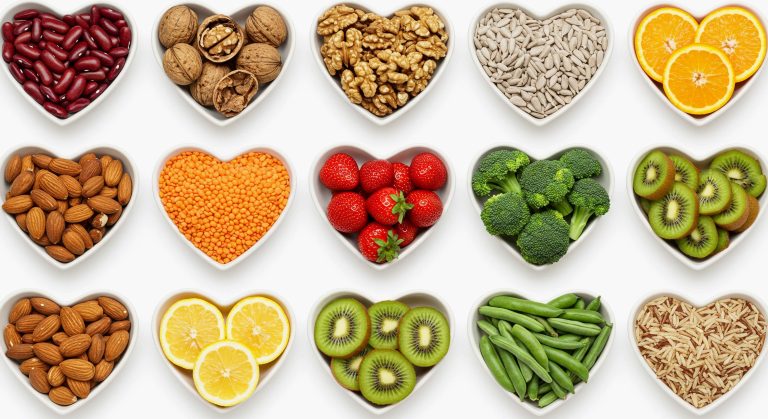
Foods that help reduce inflammation naturally are often everyday ingredients that form part of a balanced eating pattern. These include colourful fruits and vegetables, whole grains, nuts, seeds, oily fish, and unsaturated fats such as olive oil.
No single food can prevent or cure a disease, and food choices are only one part of overall health. Still, making balanced meals with a variety of nutritious ingredients is a practical way to support your well-being.
You do not need expensive supplements or complicated recipes to get started. Many useful ingredients are available at ordinary supermarkets and can fit into familiar meals.
Why Does Your Everyday Diet Matter?
Inflammation is a normal biological process that helps the body respond to injury and infection. It is not always something harmful that needs to be eliminated.
Researchers have studied how overall dietary patterns relate to inflammation and long-term health. A diet that regularly includes vegetables, fruit, whole grains, legumes, nuts, and healthy fats can provide fibre, vitamins, minerals, and other beneficial plant compounds.
By contrast, eating large amounts of foods high in salt, added sugar, and saturated fat while regularly missing out on nutritious foods may make it harder to maintain a balanced diet.
The important point is to focus on your overall eating pattern rather than expecting one particular ingredient to make a dramatic difference.
10 Foods to Include in a Balanced Diet
You do not need to eat every food on this list each day. Choose the options you enjoy, can afford, and can easily include in your usual meals.
1. Berries
Blueberries, strawberries, raspberries, and blackberries provide fibre, vitamins, and plant compounds called polyphenols. Their natural colour comes partly from compounds that researchers study for their potential role in health.
Fresh and frozen berries are both practical choices. Add them to porridge, plain yoghurt, or a bowl of fruit, or enjoy them as a snack.
If berries are expensive or difficult to find, other seasonal fruits can also contribute valuable nutrients to your diet.
2. Leafy Green Vegetables
Spinach, kale, broccoli, and other green vegetables provide vitamins, minerals, fibre, and a range of plant compounds.
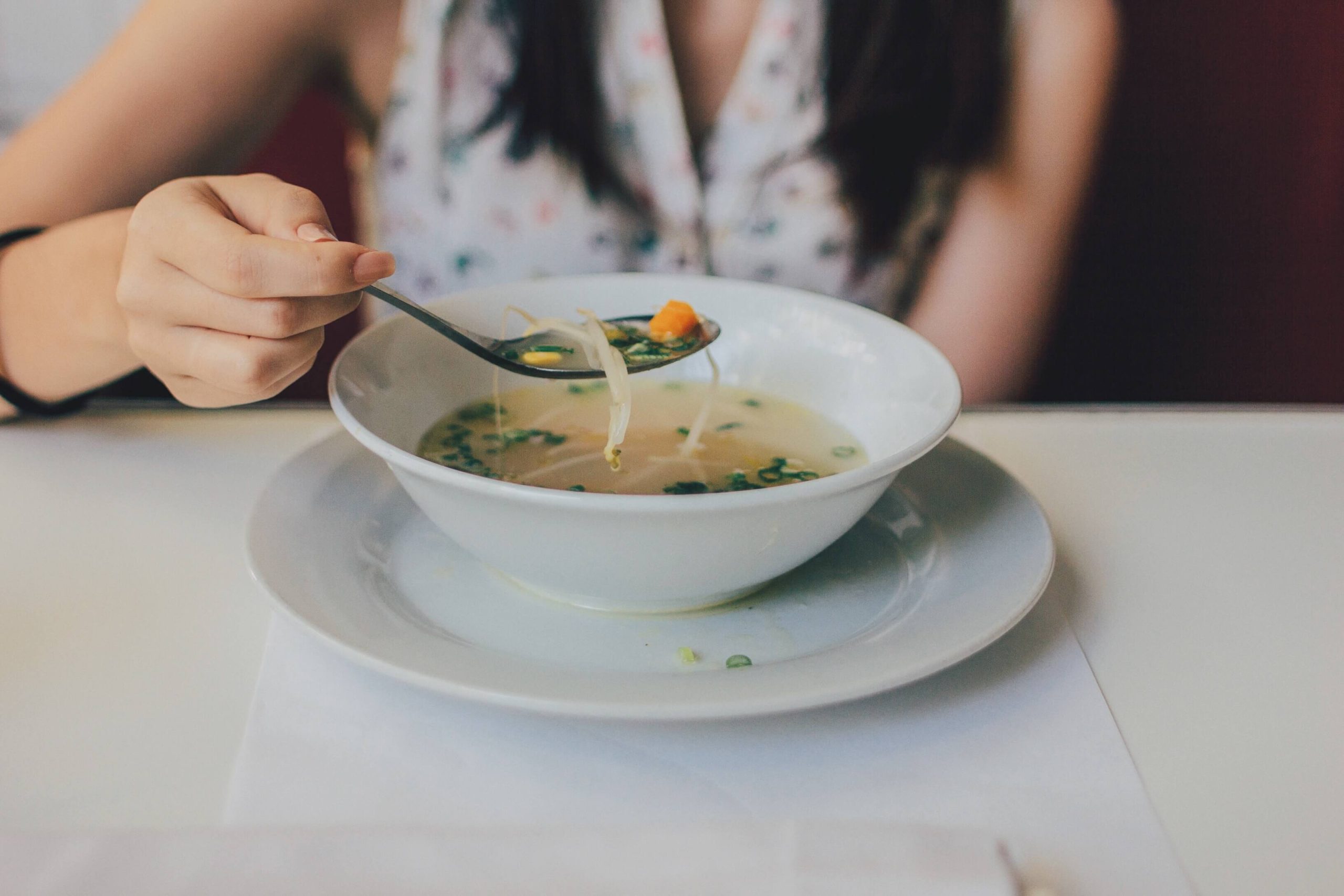
You do not need to follow a special recipe to include them. Add spinach to an omelette, serve broccoli with a main meal, or mix leafy greens into a soup.
Frozen vegetables can be convenient, too. They can help you keep nutritious options available without worrying about fresh produce going off quickly.
3. Oily Fish
Salmon, sardines, mackerel, and other oily fish provide omega-3 fatty acids. These fats are important for normal body functions and have been widely studied for their relationship with health.
Try serving baked or grilled fish with potatoes, whole grains, or vegetables. Tinned sardines can also be a convenient option when fresh fish is less affordable.
If you do not eat fish, walnuts, chia seeds, and flaxseeds provide plant-based omega-3 fats, although the types and amounts differ from those found in oily fish.
4. Tomatoes
Tomatoes contain vitamin C and lycopene, a plant compound that gives them their red colour. They are easy to use in everyday cooking and can add flavour without relying heavily on salt.
Add fresh tomatoes to salads and sandwiches, or use chopped tomatoes in soups, pasta sauces, and vegetable dishes.
Canned tomatoes can also be useful. Check the label if you want to choose a product with less added salt.
5. Extra-Virgin Olive Oil
Extra-virgin olive oil contains mostly unsaturated fats and naturally occurring plant compounds. It is commonly used in Mediterranean-style eating patterns, which include a variety of vegetables, legumes, whole grains, nuts, and other nutritious foods.
Use a little olive oil in salad dressings, drizzle it over cooked vegetables, or use it in suitable everyday cooking.
Olive oil is still energy-dense, so a moderate amount is usually enough. You do not need to replace every other cooking oil immediately; choosing unsaturated fats more often is a reasonable starting point.
6. Nuts and Seeds
Walnuts, almonds, pumpkin seeds, chia seeds, and flaxseeds provide different combinations of unsaturated fats, fibre, minerals, and plant compounds.
A small handful of unsalted nuts can make a convenient snack. You can also sprinkle seeds over porridge, yoghurt, salads, or homemade soups.
Nuts and seeds are nutritious but energy-dense. A modest portion can fit into a balanced diet without making them the main focus of every meal.
If you have a nut allergy, avoid the relevant nuts and choose suitable alternatives.
7. Whole Grains
Oats, wholemeal bread, brown rice, and other whole grains provide fibre and a range of nutrients. Fibre also supports normal digestive function and can help make meals more satisfying.
Try having porridge for breakfast, choosing wholemeal bread for sandwiches, or replacing some white rice with brown rice or another whole grain.
You do not need to change your entire diet at once. Start with one swap that suits your taste and routine.
8. Green Tea
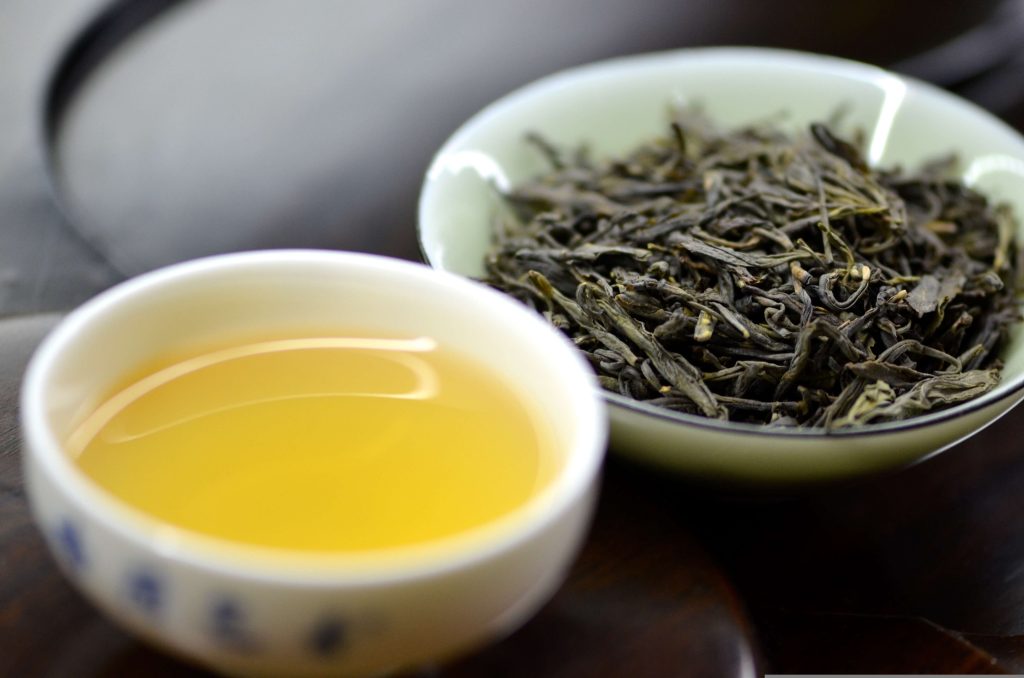
Green tea contains plant compounds called catechins, which have been studied for their potential health effects. However, drinking green tea should not be treated as a way to prevent or treat inflammation-related conditions.
If you enjoy its taste, it can be one of your regular drinks. Water remains an important everyday choice, and there is no need to force yourself to drink green tea if you do not like it.
Be mindful of added sugar in sweetened tea drinks, especially if you drink them frequently.
9. Turmeric
Turmeric is a yellow spice used in many dishes, including soups, curries, and vegetable recipes. It contains curcumin, a compound that has been studied in relation to inflammation and other health outcomes.
However, research on turmeric as a food ingredient is not the same as evidence that it can treat a medical condition. The effects of concentrated supplements may also differ from those of the small amounts used in cooking.
For everyday meals, use turmeric for its flavour and colour. There is no need to take high-dose supplements or expect a particular health result from adding it to food.
10. Ginger
Ginger adds a fresh, slightly spicy flavour to soups, stir-fries, sauces, and drinks. It also contains naturally occurring compounds that researchers continue to study.
You can grate a little fresh ginger into a vegetable dish, add it to a homemade soup, or use it to flavour warm water or tea.
Enjoy ginger as part of your usual cooking rather than relying on it as a treatment. If you take medication or are considering concentrated ginger supplements, ask a qualified healthcare professional whether they are suitable for you.
How to Build a Balanced Eating Pattern
The benefits of these foods are best considered as part of your overall diet, rather than as separate solutions. You do not need to buy all ten foods or follow a strict meal plan.
Instead, aim to include a variety of vegetables and fruits, choose whole grains when practical, and add protein sources such as beans, lentils, fish, eggs, or other suitable foods. Use unsaturated fats in moderate amounts and vary your choices throughout the week.
For example, you could have oats with fruit for breakfast, a bean or vegetable soup with wholemeal bread for lunch, and fish or lentils with vegetables and potatoes for dinner.
If you are also interested in the relationship between everyday food choices and long-term health, read our guide to best foods that may help reduce the risk of chronic diseases. Choose the relevant published article URL when adding this internal link.
Foods to Limit for a More Balanced Diet
There is no need to label individual foods as completely good or bad. What matters more is how often you eat them and how they fit into your overall diet.
Some packaged snacks, sugary drinks, sweets, and takeaway meals can contain high amounts of added sugar, salt, or saturated fat. Eating these frequently may leave less room for foods that provide fibre and a wider range of nutrients.
You do not have to avoid every convenient or processed food. Frozen vegetables, tinned beans, plain yoghurt, and some wholemeal breads can all be useful choices.
A practical approach is to make nutritious foods part of your usual routine while enjoying other foods in moderation. If you want to make more informed choices about packaged products, read the nutrition label and compare options when possible.
Simple Meal Ideas Using Everyday Ingredients
You can put these ideas together without making separate meals or buying specialist ingredients.
Breakfast: Porridge with berries, sliced banana, and a few nuts.
Lunch: Wholemeal bread with eggs or beans, tomatoes, and leafy greens.
Dinner: Baked fish or lentils served with vegetables and potatoes or brown rice.
Quick snack: Plain yoghurt with fruit, or a small handful of nuts and a piece of fruit.
Easy vegetable meal: A homemade soup with tomatoes, leafy greens, beans, and your preferred herbs or spices.
These are examples, not a strict meal plan. Adjust the portions and ingredients to suit your appetite, budget, dietary needs, and preferences.
For more food ideas around physical activity, see our guide to best foods to boost energy for walking, cycling, and swimming.
Small Daily Habits That Support Overall Health
Food is only one part of looking after your health. Other everyday habits also matter.
- Stay active in a way that suits you. Walking, cycling, gardening, and other activities can help you build a regular movement routine.
- Get enough rest. A consistent sleep routine can support general well-being.
- Drink water regularly. Your needs vary with activity, weather, and individual circumstances.
- Keep meals varied. Eating a wider range of foods can help you obtain different nutrients.
- Make changes gradually. Adding one vegetable to dinner or choosing wholemeal bread more often may be easier to maintain than changing everything at once.
If walking is part of your routine, you may also find our guide to calories burned by walking useful for understanding walking as part of an active lifestyle.
Final Thoughts
Foods that help reduce inflammation naturally are best understood as part of a varied, balanced eating pattern—not as a list of ingredients that can guarantee a particular result.
Berries, leafy greens, oily fish, tomatoes, olive oil, nuts, seeds, whole grains, and flavourful ingredients such as turmeric and ginger can all have a place in everyday meals. Choose the foods that suit your budget and preferences, and focus on variety rather than perfection.
You do not need to change everything overnight. Small, realistic choices that you can maintain over time are often a more practical way to build healthier eating habits.
Food cannot replace medical care, and anyone concerned about persistent symptoms or an inflammatory condition should speak with a qualified healthcare professional.
Frequently Asked Questions
A balanced eating pattern that includes vegetables, fruits, whole grains, nuts, seeds, oily fish, and unsaturated fats may support overall health. No single food can guarantee a reduction in inflammation or prevent a disease.
Turmeric and ginger contain compounds that have been studied for their potential health effects. However, using them in everyday cooking should not be considered a treatment for a medical condition, and concentrated supplements may not be suitable for everyone.
No. Processing does not automatically make a food unhealthy. Frozen vegetables, tinned beans, and other convenient foods can be nutritious choices. It is more useful to consider the ingredients, nutritional content, and place of a food in your overall diet.
Yes. Choose seasonal fruit and vegetables, frozen produce, oats, beans, lentils, and other affordable staples. Tinned fish can also be a practical alternative to fresh fish. You do not need to buy every food mentioned in this article.
There is no single timeline that applies to everyone. The effects of dietary changes depend on a person’s overall eating pattern, health, and other lifestyle factors. Avoid expecting immediate results from one food or ingredient.
External Resource
For general guidance on a healthy diet, see the World Health Organization’s Healthy Diet fact sheet.