
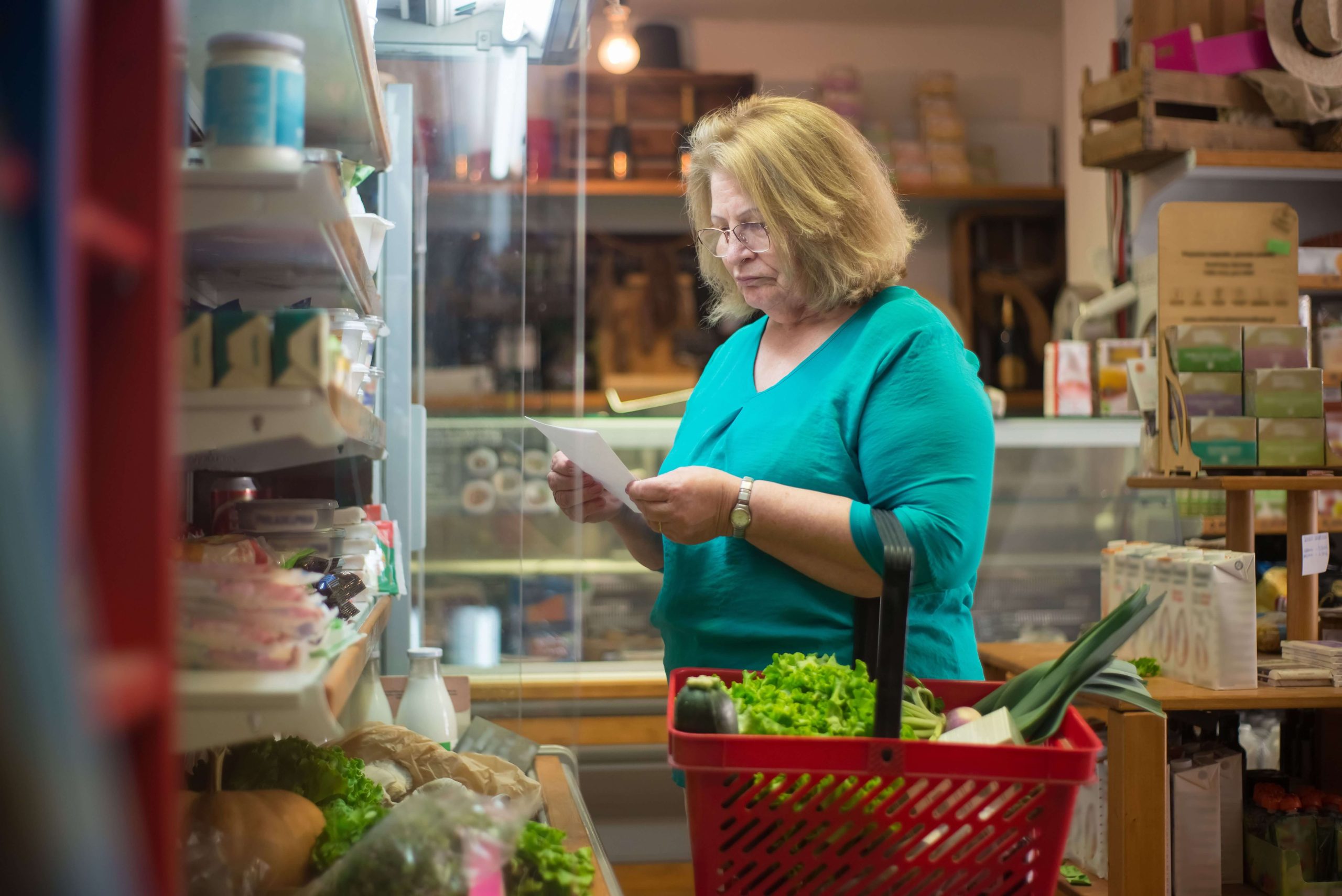
When we buy food, most of us naturally think about its taste, price, convenience and nutritional value. These are all important considerations. However, how often do we turn the packet around and read the ingredient list or nutritional information before putting it in our shopping basket?
For many people, checking food labels is not yet a regular habit, even though it can be a useful part of everyday shopping.
This is particularly relevant when buying sauces, bread, breakfast cereals, tinned foods and ready-made meals from supermarkets. Understanding what these products contain does not mean that all packaged foods are unhealthy or that every food additive is harmful. It simply means knowing a little more about what we buy so that we can make choices that suit our needs and our families.
Learning to read food labels can help us shop with greater confidence, without becoming unnecessarily worried about every ingredient we see.
1. What Are Food Additives?
Food additives are substances added to food during production or preparation for particular purposes. Depending on the product, they may help preserve food, maintain its colour or texture, or provide sweetness or other characteristics.
For example, some additives help certain foods keep for longer, while others are used to maintain a consistent texture or appearance. Sweeteners may also be used in some products instead of, or alongside, sugar.
However, seeing an additive on an ingredient list does not automatically mean that a food is unhealthy. Its safety depends on factors such as the substance itself, how it is used and the amount involved. Equally, the presence of an additive does not automatically make a food healthy or unhealthy.
Rather than becoming alarmed by an unfamiliar ingredient name, it is more useful to understand what the ingredient is and why it has been included.
The aim is not to avoid every product containing an additive. It is to make informed decisions based on reliable information rather than fear.
2. Should We Be Afraid of the Word “Chemicals”?
The word chemicals can sometimes sound worrying when it appears in discussions about food. However, from a scientific perspective, water and many naturally occurring substances in food are also chemicals. The word itself does not tell us whether a substance is safe or harmful.
It is also worth remembering that something described as natural is not automatically safe in every situation, just as a substance made artificially is not automatically harmful. What matters is the substance’s properties, how it is used and the amount involved.
You may come across social media posts claiming that a particular ingredient is poisonous or that a certain food is completely free from harmful substances. Before accepting such claims, take a moment to check reliable sources.
This is especially worthwhile for products you buy and consume regularly. A little research can help you understand what you are choosing, rather than relying on a frightening headline or a short online video.
Being informed about food should help us feel more confident, not make us afraid of everything we eat.
3. What Should You Look for on a Food Label?
When choosing food, the brand name and words such as “natural”, “light” or “healthy” do not tell the whole story. Turning the packet over and checking the ingredient list and nutritional information can give you a clearer picture.
The ingredient list
Ingredients are generally listed in descending order by weight, so those used in the greatest amounts usually appear near the beginning of the list.
This can be useful when comparing similar products. For example, when choosing bread, you can check whether wholemeal or wholegrain flour is the main ingredient or whether the product is made mainly with refined flour.
When comparing breakfast cereals, look at the ingredient list to see whether sugar appears near the beginning. This is one useful clue, although the full nutritional information should also be considered.
Sugar content
Some breakfast cereals, flavoured yoghurts, sauces and drinks contain added sugar. Regularly consuming large amounts of sugary foods and drinks can increase the amount of sugar in your overall diet.
When choosing between similar products, compare their sugar content rather than relying only on the claims displayed on the front of the packet.
A product with less sugar may be a useful choice, but sugar content alone does not determine the overall nutritional value of a food. Consider the other ingredients and nutrients as well.
Salt content
Bread, soups, sauces and some ready-made meals can contain considerable amounts of salt. Eating too much salt regularly can contribute to high blood pressure.
Comparing similar products and choosing an option with less salt can be a practical step towards managing your overall salt intake. It is worth checking labels even when a product does not taste particularly salty.
Saturated fat
Butter, some bakery products and certain ready-made foods can contain saturated fat. When comparing similar products, check the saturated fat information as well as the total fat content.
You do not need to judge a food by one number alone. Look at the overall nutritional information and consider how the food fits into your usual eating habits.
Serving size
One detail that is easy to overlook is the serving size used on the label.
Nutritional values may be shown per 100 grams, per 100 millilitres or per suggested serving, depending on the product and the labelling rules. Check which measurement is being used before comparing two foods.
For example, if a packet contains several servings and you eat the whole packet, you may consume considerably more sugar, salt or energy than the amount shown for one serving.
Understanding serving sizes makes it easier to compare products fairly and estimate how much you are actually eating.
4. What If You See an Unfamiliar Ingredient?
Some ingredient names are long or difficult to recognise. That does not automatically make the food dangerous.
If you are unsure about an ingredient, first try to find out what it is, why it is used and whether reliable food safety organisations provide information about its use. Official sources and the manufacturer’s website can be useful starting points.
For people shopping in the UK or elsewhere in Europe, the information printed on the packaging can help them compare products. Depending on the product and country, the label may also provide details about allergens, storage instructions and other important information.
Remember that not every claim shared online is accurate. A video might focus on one ingredient without explaining how much is present, why it is used or what the available evidence actually says.
If a claim sounds alarming, look for confirmation from a trustworthy source before changing your diet or deciding that an entire category of food is unsafe.
It is sensible to ask questions about what we eat. It is equally important to distinguish reliable evidence from speculation.
5. Simple Habits for Making Better-Informed Food Choices
You do not need to become a nutrition expert to make more informed decisions. A few small habits can help you understand the products you buy regularly.
- Compare similar products. When choosing between two types of bread, cereal, soup or sauce, compare their sugar, salt, saturated fat and fibre content where relevant.
- Read the ingredient list. Take a quick look at the main ingredients and any substances you do not recognise. You can research unfamiliar names later if necessary.
- Consider wholegrain options. When buying bread, cereals and other grain-based foods, look for options that suit your needs and provide fibre.
- Include fruit and vegetables. Fresh produce is useful, but frozen vegetables and suitable tinned options can also be convenient choices. Products without added salt or sugar may be worth considering when available.
- Think about your budget. Eating well does not require buying expensive products. Compare prices, nutritional information and convenience to find options that work for your household.
- Look at your overall diet. One ingredient or one food does not tell the whole story. Variety, portion sizes and the balance of foods you eat over time also matter.
There is no need to spend several minutes examining every packet in the supermarket. Start with a few foods you buy frequently, such as bread, breakfast cereal or a favourite sauce. As you become familiar with their labels, comparing products may feel much easier.
The goal is to build a practical habit that fits into ordinary shopping, not to make every food purchase complicated.
6. Are All Processed Foods Unhealthy?
No. Food processing covers many different methods, and not all processed foods have the same nutritional value.
For example, pasteurising milk helps make it safer, freezing vegetables can preserve them for later use, and canning beans can make them convenient to store and prepare. These foods can fit into a balanced diet.
On the other hand, some ready-made meals, snacks and sauces contain high amounts of salt, added sugar or saturated fat. The best way to assess an individual product is to look at its ingredients and nutritional information rather than judging it simply because it has been processed.
Imagine preparing a meal on a busy evening. Tinned beans with no added salt and frozen vegetables can be convenient ingredients for a simple meal. In contrast, relying frequently on ready-made foods that are high in salt may make it harder to keep your overall salt intake moderate.
Both convenience and nutrition matter in everyday life. Choosing suitable packaged foods can be part of a balanced eating pattern, especially when time or budget is limited.
Instead of treating every processed food as a problem, learn to recognise the differences between products and choose according to their nutritional value and your needs.
7. Make Informed Choices Without Fear
Eating well does not mean worrying about every ingredient, avoiding all packaged foods or giving up every food you enjoy. It means understanding what you eat and making reasonable choices that support a balanced diet.
The World Health Organization provides guidance on healthy diets, including the importance of dietary variety and limiting excessive amounts of salt, free sugars and unhealthy fats.
You can read more in its Healthy Diet fact sheet.
A few moments spent reading a food label can help you make a more informed choice. Over time, this small habit may make supermarket shopping easier and help you understand how different products fit into your usual diet.
There is no need to label every food as either “good” or “bad”. What matters is looking at reliable information, considering the whole product and choosing foods that suit your circumstances.
Most importantly, remember that becoming more informed about food is not about living in fear. It is about knowing enough to make thoughtful choices for yourself and your family. The next time you shop for groceries, take a moment to check a label or compare two similar products. It is a simple habit that can become a valuable part of looking after your family’s well-being.
Frequently Asked Questions
No. The presence of an additive does not automatically make a food harmful. Its safety depends on the substance, how it is used and the amount involved. If you are unsure about an ingredient, consult a reliable source rather than judging it by its name alone.
Start with the ingredient list and the nutritional information relevant to that product. Sugar, salt, saturated fat and fibre can be useful points of comparison. Also check whether the nutritional values are given per 100 grams or per serving.
No. Packaged and processed foods vary widely. Some are convenient and nutritious options, while others may contain high amounts of salt, added sugar or saturated fat. Check the information on the individual product before deciding.
No. A balanced diet can include affordable foods such as beans, lentils, grains, fruit and vegetables. Compare prices and nutritional information, and choose options that suit your budget and help minimise food waste.
Final thought: Understanding food ingredients is not about fearing every additive or avoiding every packaged product. It is about reading labels, checking trustworthy information and making informed choices that work for you and your family.