
Choosing the best foods to reduce the risk of chronic diseases can be an important part of building healthier eating habits. Chronic diseases such as heart disease, type 2 diabetes, and high blood pressure have become increasingly common around the world. While no single food can prevent these conditions, making healthier food choices every day may help lower your overall risk and support long-term well-being.
One of the biggest misconceptions is that healthy eating has to be expensive. In reality, many affordable everyday foods can provide valuable nutrients that support your body. Choosing the best foods that may help reduce the risk of chronic diseases is often more about building simple, consistent habits than buying costly products or following strict diets.
For many families, rising food prices make healthy eating seem difficult. However, eating well does not always require premium ingredients or complicated meal plans. Basic foods such as oats, beans, vegetables, fruits, and whole grains can form the foundation of a balanced diet while also helping you stay within your budget.
Instead of searching for miracle foods, it is more helpful to focus on a variety of nutritious ingredients that work together as part of an overall healthy lifestyle.
Why Food Choices Matter for Long-Term Health
Every meal you eat provides your body with nutrients that help support normal body functions. Over time, consistent eating habits can influence your overall health more than occasional healthy meals.
A balanced diet may help support:
- Heart health
- Healthy blood sugar levels
- Normal blood pressure
- Healthy body weight
- Better digestion
- Overall energy levels
Healthy eating works best when combined with other positive lifestyle habits such as regular physical activity, quality sleep, stress management, and avoiding smoking.
There is no perfect diet that suits everyone. Your age, activity level, personal preferences, and health conditions all influence which foods work best for you.Finding the best foods to reduce the risk of chronic diseases is not about following a strict diet, but about creating balanced eating habits that you can maintain over time.
Best Foods to Reduce the Risk of Chronic Diseases
Building healthier eating habits starts with simple food choices that are easy to include in your daily routine.
1. Oats: A Budget-Friendly Start to the Day
Oats are one of the most affordable and versatile breakfast foods available.
They provide dietary fiber and complex carbohydrates, which help you feel satisfied for longer than many highly processed breakfast foods.
A simple bowl of oats can easily be combined with:
- Fresh fruit
- Cinnamon
- Unsweetened yogurt
- Nuts
- Seeds
This creates a balanced breakfast without spending a lot of money.
People who regularly choose whole-grain breakfasts often find it easier to maintain healthier eating habits throughout the day.
2. Beans and Lentils: Affordable Nutrition
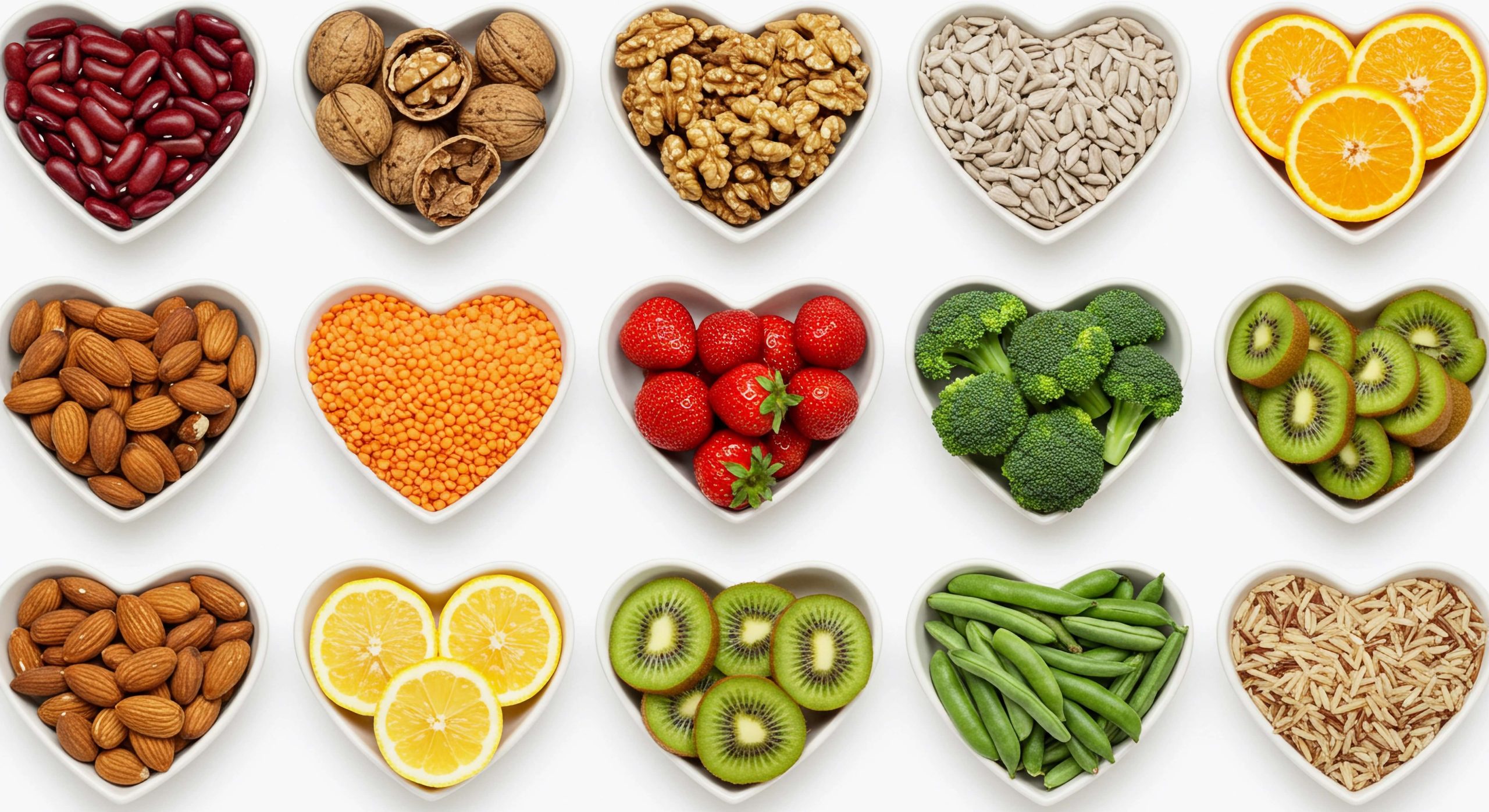
Beans and lentils are among the best examples of nutritious foods that cost very little.
They provide:
- Plant protein
- Fiber
- Iron
- Folate
- Various minerals
Because they are filling, they may also help reduce the need for expensive processed snacks.
They can easily be added to:
- Soups
- Salads
- Rice dishes
- Vegetable curries
- Whole-grain meals
Dried beans and lentils are usually even more economical than canned versions, making them an excellent option for families trying to reduce grocery costs.
3. Colorful Vegetables: Nature’s Everyday Protection
Vegetables provide vitamins, minerals, fiber, and naturally occurring plant compounds that support overall health.
You do not need exotic vegetables to eat well.
Affordable choices often include:
- Carrots
- Cabbage
- Spinach
- Broccoli
- Tomatoes
- Green beans
Eating vegetables in a variety of colors helps increase the range of nutrients in your diet.
Fresh vegetables are excellent, but frozen vegetables can also be a nutritious and budget-friendly choice because they are often picked and frozen soon after harvest.
4. Fruits: Naturally Sweet Without Added Sugar
Many people spend money on sugary snacks when whole fruits provide a naturally sweet alternative.
Fruits contain:
- Dietary fiber
- Vitamin C
- Potassium
- Antioxidants
Affordable fruit choices often include:
- Apples
- Bananas
- Oranges
- Pears
- Seasonal fruits
Choosing whole fruit instead of sugary desserts can be one small step toward healthier daily eating habits.
Rather than trying to eliminate all treats, aim to make nutritious choices more often than less nutritious ones.
5. Whole Grains Instead of Refined Grains
Replacing refined grains with whole grains is another simple improvement that many people can make.
Whole grains generally contain more fiber and nutrients because more of the grain remains intact during processing.
Examples include:
- Brown rice
- Whole-grain bread
- Whole-wheat pasta
- Oats
- Barley
These foods can become regular parts of meals without making grocery shopping significantly more expensive.
Affordable Foods That Support Long-Term Health
Eating well does not have to mean buying expensive health foods or following strict diets. Many everyday foods are naturally rich in nutrients that may help support overall health and fit almost any budget.

6. Fish: A Healthy Choice Without Overspending
Fish can be an excellent part of a balanced eating pattern. While some varieties are expensive, many affordable options are widely available.
Including fish once or twice a week may help increase your intake of important nutrients such as protein and omega-3 fats.
Affordable choices often include:
Sardines
Mackerel
Herring
Canned tuna in water
Frozen fish can also be a practical option because it usually costs less while still providing good nutritional value.
7. Nuts and Seeds: Small Portions, Big Nutrition
Nuts and seeds provide healthy fats, plant protein, fiber, vitamins, and minerals.
Although some varieties can be costly, they are usually eaten in small amounts, making them last much longer than many people expect.
Good options include:
Almonds
Walnuts
Sunflower seeds
Pumpkin seeds
Flaxseeds
A small handful each day can be enough to add extra nutrition to your meals or snacks.
Instead of buying sugary snacks, keeping a small container of mixed nuts or seeds can be a healthier everyday habit.
Healthy Eating Does Not Need to Be Expensive
One common misunderstanding is that healthy eating always costs more.
In reality, many nutritious foods are among the most affordable items at the supermarket.
Simple habits can help reduce food costs while improving the quality of your diet:
Plan meals before shopping.
Buy seasonal fruits and vegetables.
Choose frozen vegetables when they are less expensive.
Cook larger meals and save leftovers.
Limit highly processed convenience foods.
These habits not only save money but also make healthy eating easier to maintain over time.
Build Healthy Habits One Meal at a Time
Long-term health is built through consistent daily choices rather than perfect diets.
Choosing affordable, nutrient-rich foods most of the time can support your overall well-being without placing extra pressure on your household budget.
Rather than trying to change everything at once, focus on one or two small improvements each week. Over time, these simple habits can become part of a healthier lifestyle.
Foods to Limit for Better Long-Term Health
Building a healthier eating routine is not only about choosing nutritious foods. It is also about reducing foods that may become a regular part of the diet without providing much nutritional value.
You do not need to eliminate your favorite foods completely. Instead, aim for balance and enjoy less nutritious foods in moderation.
Some foods worth limiting include:
- Sugary drinks
- Highly processed snacks
- Processed meats
- Foods high in added sugar
- Foods high in salt
- Deep-fried meals
Enjoying these foods occasionally is perfectly normal. The goal is to make nutrient-rich foods the foundation of your daily eating pattern.
Small Changes Can Make a Big Difference
Many people believe they need to change everything overnight to eat healthier. In reality, small improvements are often easier to maintain and can make a meaningful difference over time.
Consider starting with one simple habit, such as:
- Adding one extra serving of vegetables each day.
- Replacing sugary drinks with water more often.
- Choosing fruit instead of a sweet dessert.
- Preparing more meals at home.
- Including whole grains in everyday meals.
These small adjustments are realistic, affordable, and easier to continue for the long term.
Healthy Eating on a Budget Is Possible
Many families worry that healthy food is too expensive. However, nutritious eating does not have to increase your grocery bill.
Planning meals before shopping, buying seasonal produce, choosing store brands, and cooking at home can all help reduce food costs.
Simple foods like oats, beans, eggs, vegetables, fruit, and whole grains often provide excellent nutrition without costing a lot.
Healthy eating is not about buying luxury ingredients. It is about making smarter choices with the foods that fit your budget.
A Sustainable Lifestyle Matters Most
There is no single food that can prevent chronic diseases on its own. Your overall eating pattern, combined with regular physical activity, quality sleep, stress management, and avoiding smoking, plays a much greater role in supporting long-term health.
Instead of searching for a “perfect diet,” focus on building habits that you can comfortably maintain for years.
Choosing balanced meals, staying active, drinking enough water, and enjoying a variety of whole foods are practical steps that support overall well-being.
Final Thoughts
Choosing the best foods that may help reduce the risk of chronic diseases does not require expensive products or complicated meal plans.
Affordable everyday foods such as fruits, vegetables, whole grains, beans, fish, nuts, and healthy oils can become part of a balanced lifestyle that supports better health over time.
The most valuable investment you can make is not buying expensive “superfoods.” It is creating simple, sustainable eating habits that fit your lifestyle and budget.
When healthy food choices become part of your daily routine, they work together with regular exercise and other healthy habits to build a stronger foundation for lifelong well-being.
Learn More About Healthy Eating Guidelines
For more information about healthy eating patterns and balanced diets, visit the World Health Organization (WHO) healthy diet guidelines.