

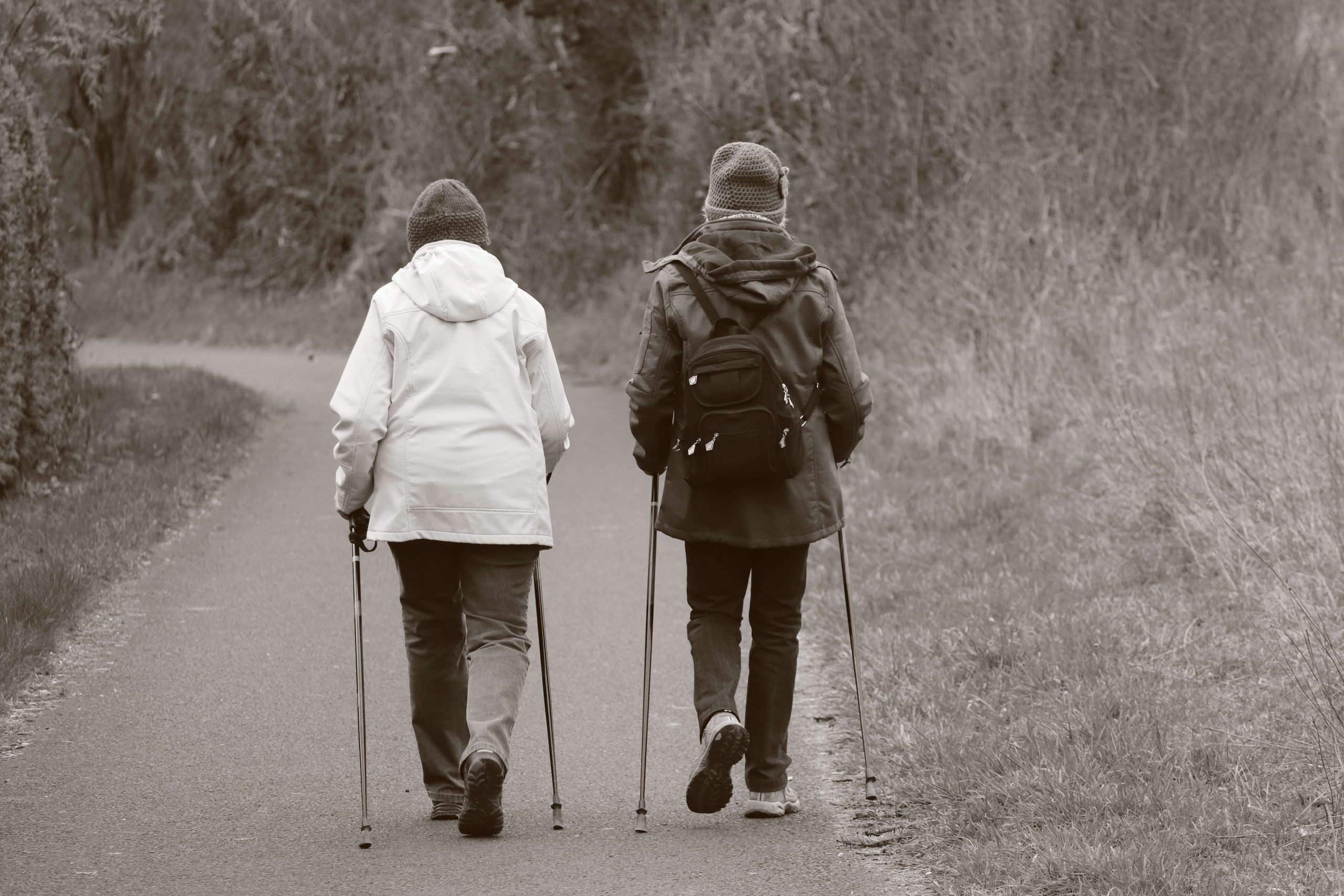
Joint pain can make even simple daily activities feel more difficult. Because of this, many people believe they should avoid exercise if they have arthritis. In reality, that is not always the best approach. For many people, arthritis and walking can be a safe and effective combination. Gentle walking may help reduce joint stiffness, improve mobility, and make everyday tasks easier.
Research suggests that arthritis and walking can work well together when walking is done at a comfortable pace and suited to your individual needs. Unlike running or other high-impact exercises, walking places less stress on your joints while still keeping your body active.
If you are living with arthritis and experience pain in your knees, hips, ankles, or feet, starting with short, gentle walks may help you stay active and improve your overall quality of life.
In this guide, you’ll learn why arthritis and walking are closely connected, how to start walking safely, and practical tips to help you protect your joints while enjoying the many benefits of regular movement.
Is Arthritis and Walking a Safe Combination?
Our joints are designed to move. When we spend long periods sitting or avoiding movement, they can become stiff, making everyday activities more uncomfortable.
Many people naturally reduce their activity because of arthritis pain. However, staying inactive for too long may actually increase stiffness and make movement feel even harder.
Gentle walking encourages your joints to move through their natural range of motion. It also improves blood circulation, helping deliver oxygen and nutrients to the muscles and tissues that support your joints.
Another important benefit is stronger muscles. As the muscles around your knees, hips, and ankles become stronger, they help support your joints and reduce some of the pressure placed on them during daily activities.
Walking also provides health benefits beyond your joints. Regular physical activity can help:
- Support heart health
- Maintain a healthy body weight
- Improve balance and mobility
- Increase daily energy levels
- Reduce stress and improve mood
Maintaining a healthy weight is especially important for people with arthritis because carrying extra weight places additional pressure on weight-bearing joints such as the knees and hips.
Internal Link: If you’re looking for another gentle way to improve your overall health, read our guide on Walking for Heart Health: Safe Seniors Guide.
Is Walking Safe If You Have Arthritis?
For most people, the answer is yes.
Walking is considered a low-impact exercise, meaning it places less stress on your joints than activities such as running or jumping. Because of this, healthcare professionals often recommend walking as part of an active lifestyle for many people living with arthritis.
However, everyone’s condition is different.
If you have severe joint pain, recently had surgery, or your healthcare provider has advised you to avoid certain activities, speak with them before starting a walking routine.
It is also important to listen to your body while walking.
A little muscle soreness when starting a new activity is normal. Sharp or severe joint pain is not.
If your joints continue to hurt for several hours after your walk, consider shortening your next walk or slowing your pace. If pain, swelling, or redness continues, seek advice from a qualified healthcare professional.
The goal is not to push through pain. Instead, aim to stay active in a way that feels comfortable and sustainable.
Step 1: Choose the Right Shoes for Arthritis and Walking
The shoes you wear can make a significant difference when walking with arthritis.
Old, worn-out shoes may increase pressure on your knees, ankles, and hips. Choosing supportive walking shoes can improve comfort, stability, and confidence while walking.
When shopping for walking shoes, look for:
- Good arch support
- Soft cushioning under the foot
- Plenty of room for your toes
- A comfortable fit without squeezing your feet
- Durable soles with good grip
If your shoes have lost their cushioning or tread, it may be time to replace them.
Comfortable clothing also matters. Lightweight, breathable fabrics help keep you comfortable during warmer weather, while dressing in layers makes it easier to adjust to cooler temperatures.
Step 2: Warm Up Before Arthritis and Walking
Many people skip warming up because walking seems like an easy activity. However, spending just a few minutes preparing your body can help your muscles and joints move more comfortably.
This is especially helpful if your joints tend to feel stiff in the morning.
Before heading outside, try these gentle movements:
- March in place for one to two minutes.
- Roll your shoulders forward and backward several times.
- Slowly rotate your ankles in both directions.
- Bend and straighten your knees gently.
- Take a few slow, deep breaths to relax your body.
A short warm-up increases blood flow, prepares your muscles for movement, and may help reduce stiffness during the first few minutes of your walk.
Where to Add Your External Link
After the section “Walking also provides health benefits beyond your joints,” add this sentence:
According to the World Health Organization (WHO), adults should stay physically active to support overall health, improve mobility, and reduce the risk of many long-term health conditions.
Step 3: How to Walk Comfortably Without Putting Extra Stress on Your Joints
When you begin walking, remember that this is not a race. Walking farther or faster does not necessarily mean better results. The key to making arthritis and walking work together is choosing a pace that feels comfortable for your body.
If you’re just getting started, don’t try to walk for 30 or 40 minutes on your first day. Instead, begin with a gentle walk of 5 to 10 minutes.
If your joints feel comfortable after a few days, gradually increase your walking time by two or three minutes each week. Small, steady improvements are much safer than doing too much too soon.
Your walking posture also matters. Keep your head up, relax your shoulders, and let your arms swing naturally. Taking shorter, comfortable steps is usually better than trying to take long strides, especially if your knees or hips are sore.
Walking should leave you feeling refreshed—not exhausted.
Choose Flat and Even Walking Surfaces
Where you walk can make a big difference to your comfort.
Uneven trails, steep hills, loose gravel, or rocky paths can place extra stress on your joints and increase your risk of falling.
Whenever possible, choose places such as:
- Local parks with paved walking paths
- Flat sidewalks
- Rubberized walking tracks
- Quiet residential streets with even surfaces
Walking on smoother ground helps reduce unnecessary impact on your knees, hips, and ankles, making your walks safer and more enjoyable.
Step 4: Use Supportive Equipment When Needed
Using supportive equipment does not mean you’re weak. It simply means you’re taking care of your joints and making walking safer.
Some people with arthritis find that simple walking aids improve their confidence and reduce discomfort, especially during longer walks.

Consider Using Walking Poles
Walking poles, often called Nordic walking poles, are popular in many countries because they help improve balance and reduce pressure on the lower body.
They may help by:
- Reducing stress on your knees and hips
- Improving balance and stability
- Engaging your upper body muscles while walking
- Helping you feel more confident on uneven ground
If you’re unsure whether walking poles are right for you, ask your doctor or physiotherapist for advice.
Don’t Be Afraid to Take Breaks
There is no rule that says you must walk without stopping.
If you begin to feel tired, sit on a nearby bench for a few minutes, drink some water, and continue only when you feel comfortable.
Taking short breaks is often much better than pushing yourself until your joints become painful.
Remember, consistency is far more important than speed.
Step 5: Listen to Your Body
One of the most important parts of managing arthritis and walking safely is learning to recognise your body’s signals.
It is normal to experience mild muscle soreness when starting a new exercise routine. However, sharp joint pain, swelling, or increasing discomfort should never be ignored.
Pay attention to how your body feels after each walk.
If you notice that:
- Your joints feel better after a short rest, you can continue your routine.
- Pain lasts well into the next day, shorten your next walk or slow your pace.
- Swelling, redness, or severe pain develops, stop exercising and speak with a healthcare professional.
The goal is not to walk through pain. The goal is to stay active while protecting your joints.
More Than Just Better Joint Health
Walking doesn’t only benefit your joints. It supports your overall health in many different ways.
Regular walking may help:
- Improve heart health
- Support healthy blood pressure
- Maintain a healthy weight
- Reduce stress and anxiety
- Improve sleep quality
- Increase daily energy levels
- Support better balance as you age
These benefits are especially valuable for people living with arthritis because better overall health often makes it easier to stay active and independent.
Keeping your weight within a healthy range can also reduce the amount of pressure placed on your knees, hips, and ankles during everyday activities.
External Link (WHO): The World Health Organization (WHO) recommends regular physical activity for adults because it helps improve physical and mental health while lowering the risk of many chronic diseases. Link this sentence to the WHO Physical Activity Guidelines.
Build a Daily Walking Habit That Lasts
Many people with arthritis start walking with good intentions but stop after a few days. In most cases, the problem isn’t a lack of motivation—it’s simply doing too much, too soon.
Instead of trying to make big changes overnight, focus on building a routine that feels realistic and easy to maintain.
For example:
- Week 1: Walk for 5 to 10 minutes each day.
- Week 2: Add two or three minutes every few days if you feel comfortable.
- Week 3 and beyond: Gradually work towards 20 to 30 minutes of walking on most days of the week.
Remember, consistency matters far more than speed or distance. Even a short daily walk can provide long-term benefits when it becomes part of your lifestyle.
If possible, walk with a friend, family member, or neighbour. Having someone to walk with makes the experience more enjoyable and helps many people stay motivated.
Internal Link: If you’re looking for more ways to stay consistent, read our guide on 5 Simple Ways to Stay Motivated to Walk Every Day.
Common Myths About Arthritis and Walking
There are still many myths about arthritis that stop people from staying active. Let’s clear up a few of the most common ones.
Myth 1: “If my joints hurt, I should stay in bed.”
Not necessarily.
While it’s important to rest during a severe flare-up, avoiding movement for long periods can make your joints feel even stiffer. Gentle walking is often a better option for many people.
Myth 2: “Walking wears out my joints.”
For most people with arthritis, comfortable, low-impact walking does not damage the joints. In fact, regular movement can help keep joints flexible and strengthen the muscles that support them.
Myth 3: “One long walk each week is enough.”
A regular walking routine is usually more beneficial than doing one long walk every now and then. Short walks on most days are easier on your joints and easier to maintain.
Frequently Asked Questions (FAQ)
Many people can. The right amount of walking depends on your symptoms, overall health, and your healthcare provider’s advice. Start slowly and increase your activity gradually.
If you’re new to walking, begin with 5 to 10 minutes. As your joints become more comfortable, gradually increase your walking time over several weeks.
In many cases, yes. Gentle walking is often recommended because it places less stress on the joints than higher-impact activities. However, if you experience severe pain or swelling, speak with your healthcare provider.
Choose walking shoes with:
Good arch support
Soft cushioning
Plenty of room for your toes
A secure, comfortable fit
Good grip for stability
Replace worn-out shoes when they no longer provide proper support.
Reduce the distance or walking time during your next walk and allow your body time to recover. If pain, swelling, or redness continues, consult a healthcare professional.
Yes, many people find walking poles helpful because they improve balance and reduce pressure on the knees and hips, especially during longer walks.
Final Thoughts
Living with arthritis doesn’t mean giving up an active lifestyle. For many people, arthritis and walking are a great combination when approached with patience and realistic expectations.
The most important thing is to listen to your body. Start slowly, wear supportive shoes, and increase your walking time only when you feel comfortable.
Small, consistent steps often lead to the biggest improvements over time.
Whether your goal is to reduce stiffness, improve mobility, manage your weight, or simply enjoy moving more comfortably, a gentle daily walk can be a positive step towards better health.
Every walk is an investment in your future wellbeing. Start where you are, move at your own pace, and celebrate every step forward.
Internal Link: If you’re trying to stay active while managing your weight, read our guide on Fast Walking for Weight Loss: A Simple Guide for Beginners.