


Discover five practical ways to stay motivated to walk every day. Learn how to make walking enjoyable, build a consistent routine, and keep moving even when motivation is low.
Walking regularly does not require expensive equipment or a complicated fitness plan. However, starting a walking routine and maintaining it are two different challenges. Busy schedules, tiredness, bad weather, and everyday responsibilities can make it tempting to skip a walk.
The good news is that you do not need to feel motivated every day to maintain an active lifestyle. Simple habits, realistic goals, and a little preparation can make walking easier to fit into your routine.
Whether you enjoy walking alone or with friends, these five practical strategies can help you make walking a regular part of your day.
1. Set a Realistic Goal and Track Your Progress
Setting a clear, achievable goal can make walking feel more manageable. Instead of worrying about how far you should walk, begin by understanding how much you currently move during a typical day.
A smartphone, pedometer, or fitness tracker can help you monitor your daily steps. Watching your progress over time may encourage you to continue, particularly when you notice that a short walk has gradually become part of your routine.
If you currently take only a few thousand steps a day, there is no need to jump immediately to 10,000. Try adding a short walk to your usual schedule and increase your activity gradually as it feels comfortable.
Your goal does not have to be the same every day. You might have more time to walk on weekends and less time on busy working days. What matters is choosing a realistic target that suits your circumstances.
You can also keep a simple record on your phone or in a notebook. Marking the days you walk can help you recognise your efforts without turning exercise into a competition.
Remember that a step count is a guide, not a score. If you miss your target occasionally, simply return to your routine when you can.
2. Make Your Walk Enjoyable
Walking is easier to maintain when it is something you look forward to rather than another task on your to-do list.
Think about what makes your free time enjoyable. You might prefer listening to music, exploring a peaceful street, observing nature, or having a relaxed conversation with a friend. You can bring some of these simple pleasures into your walking routine.
If you enjoy listening to podcasts or audiobooks, save an episode for your next walk. If you prefer a quieter experience, leave your headphones at home and pay attention to the sounds around you.
You could also use your walking time to take a break from screens and everyday responsibilities. A short walk outdoors can provide an opportunity to change your surroundings and clear your mind.
When walking near roads, remain aware of traffic and other people. If you use headphones, keep the volume low enough to hear what is happening around you.
The aim is to find an approach that suits your personality. You do not need to copy another person’s routine to make walking enjoyable.
3. Change Your Route from Time to Time
Walking along the same route every day can become repetitive. Exploring a different path occasionally can make your routine feel fresh and give you something new to look forward to.
For example, you might walk around your neighbourhood on weekdays and visit a nearby park when you have more time. You could choose a different street, walk through a public garden, or explore a familiar area from another direction.
You do not need to travel far or find an impressive destination. Even a small change in scenery can make an ordinary walk feel different.
Choose routes that are safe, accessible, and suitable for your ability. Consider lighting, traffic, weather, and the condition of the walking surface, especially if you walk early in the morning or after sunset.
If you prefer familiar surroundings, there is nothing wrong with following your usual route. You can keep the same path and vary the time, invite a companion, or listen to something enjoyable instead.
Walking should fit comfortably into your life. Finding a route that you enjoy is more useful than choosing one that makes your routine difficult to maintain.
4. Prepare Before Your Walking Time
Small obstacles can make it easier to postpone a walk. Looking for your shoes, deciding what to wear, or trying to find time at the last minute may be enough to put you off.
A little preparation can remove some of these barriers.
If you prefer morning walks, lay out your clothes and shoes the night before. Decide when you plan to leave and choose a route that fits the time available.
If evenings suit you better, keep your walking shoes somewhere convenient and identify a suitable time after work or other responsibilities.
It can also help to connect walking with something you already do. For example, you might take a short walk after breakfast, during a work break, or after finishing your daily tasks.
Start with a duration that feels manageable. Even a short walk can help you establish a routine, and you can decide whether to walk for longer as it becomes more familiar.
You do not need a perfect schedule. When plans change, look for another convenient opportunity rather than assuming that the entire day is lost.
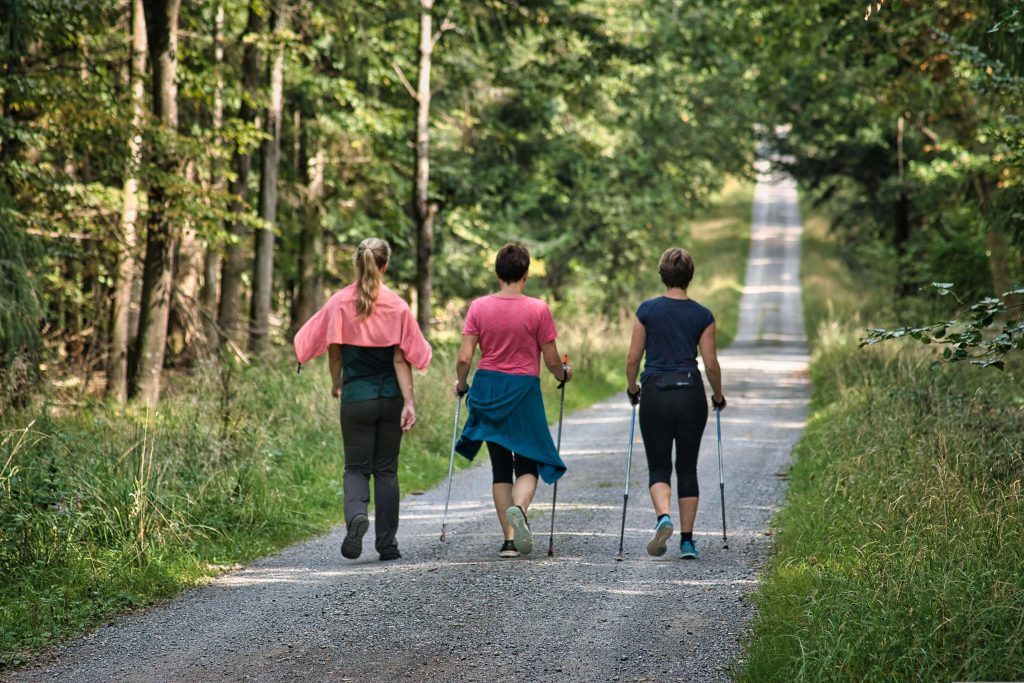
5. Walk with a Friend or Family Member
Walking with someone you enjoy spending time with can make the experience more social and provide encouragement on days when your motivation is low.
You might arrange to meet a friend after work, invite a family member for a weekend walk, or ask a neighbour to join you for a short walk around the area.
Having an agreed time can make it easier to follow through with your plan. It also gives you an opportunity to catch up, share experiences, and spend time together away from everyday distractions.
Choose a companion whose pace and schedule suit you. Walking together should feel supportive, not like a competition to see who can walk the farthest or fastest.
If your friends and family are busy, you can still maintain your routine independently. A regular time, a familiar route, or a personal goal can provide structure without requiring another person to be available.
The important thing is to find a routine that you can realistically continue.
What If You Do Not Feel Like Walking?
Even with a good routine, there will be days when you feel tired, busy, or less enthusiastic than usual. This is normal, and it does not mean that you have failed.
Instead of forcing yourself to complete a long walk, consider whether a shorter, comfortable walk would suit the day. You might walk around the block or take a brief break outdoors.
If you are unwell, experiencing unusual pain, or need rest, it is reasonable to pause and take care of yourself. Consistency does not mean ignoring your body’s needs.
Try not to treat one missed walk as a reason to abandon your plans. Return to your usual routine when you feel ready, without trying to make up for every missed step.
Building an active lifestyle takes time. The aim is to develop habits that fit your life over the long term, not to achieve a perfect record.
If you would like to make other healthy habits more consistent, read our guide to How to Maintain Healthy Morning Habits Long-Term
Why Regular Walking Is Worth the Effort
Walking is a convenient way to include more movement in everyday life. It can help you become more physically active without requiring a gym membership or a complicated exercise programme.
The World Health Organization explains that regular physical activity supports physical and mental health and that some activity is better than none. Its physical activity guidance also highlights the importance of reducing inactivity and making movement a regular part of life.
Walking may also give you time away from daily pressures. If you find that walking helps you relax or improve your mood, our guide to Walking for Mental Health: A Simple Way to Reduce Stress and Anxiety Naturally explores this topic in more detail.
The key is to choose a level of activity that suits your current fitness and circumstances. If you have health concerns or difficulty with mobility, seek advice from a qualified healthcare professional about a suitable routine.
Frequently Asked Questions
Set realistic goals, choose routes you enjoy, prepare your walking clothes in advance, and track your progress if that helps. You can also walk with a friend or connect walking to an activity that is already part of your day.
Do not be discouraged by one missed walk. Return to your routine when you can, and avoid treating a missed day as a reason to give up. If you need rest because you are unwell or uncomfortable, allow yourself time to recover.
Yes. A short walk can be a practical way to include movement in a busy day. Starting with a manageable amount may also help you develop a routine that you can gradually build on.
Both can be useful. A walking partner may provide company and encouragement, while walking alone can offer flexibility and quiet time. Choose whichever option you enjoy and can maintain.
Choose a realistic time, keep your walking essentials ready, and make the activity enjoyable. Focus on returning to your routine consistently rather than expecting yourself to be perfect every day.
Final Thoughts
Staying motivated to walk every day is easier when you make the habit realistic, enjoyable, and convenient.
Set a manageable goal, find ways to enjoy your walks, explore different routes, prepare ahead of time, and invite someone to join you if you prefer company.
Some days will be easier than others, and your routine may need to change as your circumstances change. That is part of building a lasting habit.
You do not need to make every walk long or reach a particular step count to value the effort you make. Start where you are, take the next manageable step, and keep building a routine that works for you.