

Many people believe that healthy eating is simply about choosing the “right” foods. We often focus on which foods to eat and which ones to avoid. However, healthy eating habits involve much more than the food on your plate. How you eat, when you eat, and how much you eat are just as important.
Today’s busy lifestyle has changed the way many of us eat. People often rush through meals during work breaks, eat while scrolling through their phones, or watch television during dinner. Some even eat simply because it’s mealtime, not because they’re truly hungry. Children are also becoming increasingly familiar with these habits from a young age.
Over time, these everyday routines may lead to eating more than the body actually needs.
The good news is that building healthy eating habits doesn’t require expensive foods or strict diets. As we’ve discussed in many of our previous articles, lasting health usually comes from developing simple habits that are easy to follow every day.
Why Healthy Eating Habits Matter
Your body needs fuel every day to carry out even the simplest activities. Walking, working, studying, exercising, and completing daily tasks all require energy from the foods you eat.
Healthy eating habits may help you:
- Support steady energy throughout the day
- Provide your body with essential nutrients
- Maintain an active lifestyle
- Build long-term healthy routines
Of course, food is only one part of the picture. The greatest benefits usually come from combining balanced nutrition with regular physical activity, quality sleep, and other healthy lifestyle habits.
1. Slow Down and Enjoy Your Meals
Many people rarely have enough time to sit down and enjoy a meal without rushing. Eating quickly has become part of modern life.
However, slowing down while eating allows you to pay better attention to how much food your body actually needs.
Research shows that feelings of fullness are controlled by signals between the digestive system and the brain. These signals involve stomach stretching, hormones, and brain pathways that help regulate appetite. Because this process takes time, eating slowly can give your body a better chance to recognize when it is satisfied.
According to the National Institutes of Health (NIH), communication between the digestive system and the brain plays an important role in regulating hunger and fullness.
Simple habits can make a noticeable difference:
- Chew your food thoroughly.
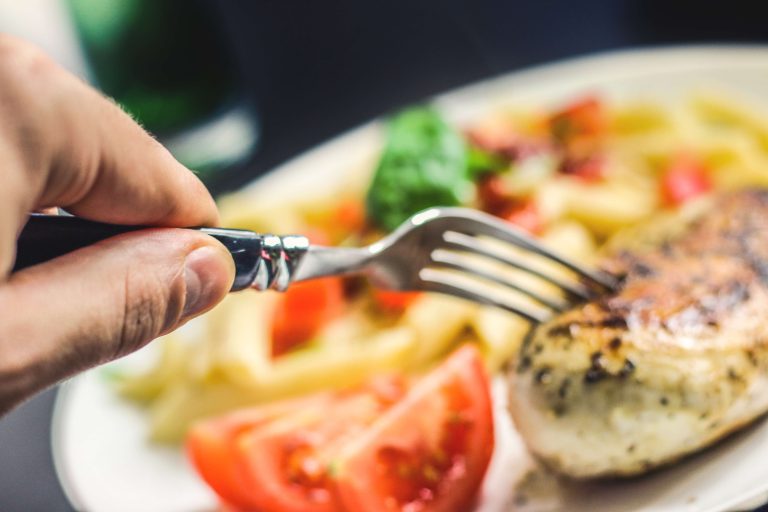
- Put your fork down between bites occasionally.
- Take time to enjoy the flavors and textures of your meal.
These small changes can gradually help create healthier eating habits without making you feel restricted.
2. Ask Yourself if You’re Truly Hungry
Not every craving is caused by physical hunger.
Sometimes people eat because they feel bored, stressed, emotional, happy, or simply because food is available.
Before reaching for a snack, pause for a few seconds and ask yourself:
“Am I really hungry, or am I eating out of habit?”
This simple question can help you become more aware of your eating patterns and encourage mindful food choices over time.
3. Give Your Full Attention to Your Meal
Phones, televisions, computers, and other distractions have become common companions during meals.
The problem is that distracted eating often makes it difficult to notice how much you’ve already eaten.
Instead, try to:
- Put your phone away while eating.
- Turn off the television.
- Enjoy conversations with family or friends during meals.
When you pay attention to your food, meals often become more satisfying, and many people naturally eat at a more comfortable pace.
4. Stay Properly Hydrated Throughout the Day
Healthy eating isn’t only about food. Drinking enough water is another important part of supporting your body’s daily functions.
Water helps your body carry out many essential processes throughout the day.
People often debate whether it’s better to drink water before or after meals. In reality, one of the most important habits is making sure you stay hydrated throughout the entire day.
Some easy ways to build this habit include:
- Don’t wait until you’re very thirsty.
- Carry a reusable water bottle when you’re away from home.
- Choose water more often instead of sugary drinks.
Even small habits like these can contribute to a healthier lifestyle over time.
If you’re physically active, you may also enjoy our article on Best Foods to Boost Energy for Walking, Cycling, and Swimming, which explains how hydration and nutrition work together to support an active lifestyle. (Internal link)
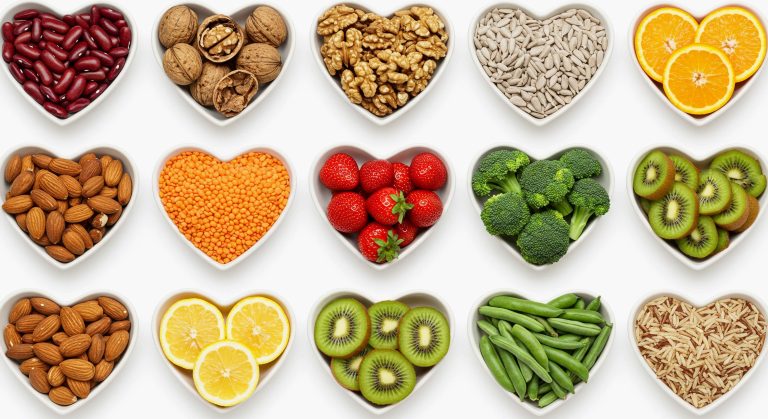
5. Build a Balanced Plate Instead of Chasing a Perfect Diet
Healthy eating habits are not about eliminating entire food groups or following strict rules. Instead, aim to create balanced meals that provide your body with a variety of nutrients.
A simple plate can include:
- Colorful vegetables
- Fresh fruits
- Whole grains
- Lean protein sources
- Healthy fats in moderate amounts
Not every meal needs to be perfect. What matters most is the overall pattern of your eating habits over time.
As the World Health Organization (WHO) explains, a balanced diet combined with regular physical activity supports overall health and well-being.
6. Eat the Right Amount for Your Body
One of the biggest challenges today is portion size.
When food tastes good, it’s easy to keep eating even after your body has had enough.
Instead of labeling foods as “good” or “bad,” try paying attention to how much you serve yourself.
Simple habits include:
- Start with a smaller portion.
- Wait a few minutes before getting more.
- Eat slowly instead of rushing through the meal.
Many people find that slowing down helps them recognize when they feel comfortably satisfied.
Healthy eating habits are often built through mindful portion control rather than strict food restrictions.
7. Choose Nutritious Snacks Between Meals
Feeling hungry between meals is completely normal.
Instead of reaching for highly processed snacks or sugary treats every time, consider keeping healthier options nearby.
Some easy choices include:
- Fresh fruit
- Plain Greek yogurt
- Unsalted nuts
- Seeds
- Fresh vegetable sticks
These simple foods can help support an active lifestyle while providing valuable nutrients.
The goal isn’t to avoid snacks altogether—it’s to make snack choices that work for your body.

8. Don’t Skip Meals Regularly
Busy schedules often cause people to miss breakfast or delay meals.
While this happens occasionally, regularly skipping meals may leave some people feeling overly hungry later in the day, making it easier to overeat.
Creating a meal routine that fits your lifestyle can help you maintain consistent energy throughout the day.
Everyone’s schedule is different, so choose meal times that are realistic and sustainable for you.
9. Healthy Habits After Eating
Healthy eating doesn’t end when you finish your meal.
What you do afterward can also become part of a healthy daily routine.
Rather than lying down immediately after eating or starting intense exercise, many people feel more comfortable by remaining gently active.
Simple ideas include:
- Take a relaxed 5–10 minute walk.
- Spend time talking with family.
- Complete a few light household tasks.
Small habits like these encourage a more active lifestyle without adding extra pressure to your day.
10. Habits Worth Limiting After Meals
Some everyday habits seem harmless but may not support long-term healthy eating patterns.
Examples include:
- Eating far beyond the point of fullness
- Going straight to bed immediately after eating
- Having sugary desserts after every meal
- Drinking sugary beverages throughout the day
This doesn’t mean these foods or habits must be completely avoided.
Healthy eating is about balance, not perfection.
Making better choices most of the time is what creates lasting results.
11. Aim for Consistency, Not Perfection
One of the biggest misconceptions about healthy eating habits is believing that every meal has to be perfect.
Real life doesn’t always work that way.
There will be birthdays, holidays, family gatherings, vacations, and busy workdays when your meals may look different from your usual routine. That’s completely normal.
One less healthy meal doesn’t undo months of good habits.
Instead of feeling guilty, simply return to your normal eating routine at your next meal.
Long-term health is built through consistent choices—not occasional perfection.
Healthy Eating Habits Are a Lifestyle, Not a Short-Term Plan
Healthy eating habits are not about strict diets or complicated food rules.
They are about learning to respect your body, choosing nourishing foods, and developing routines you can realistically maintain for years.
Simple habits such as:
- Eating slowly
- Drinking enough water throughout the day
- Choosing balanced meals
- Eating appropriate portions
- Staying physically active
may seem small on their own, but together they can make a meaningful difference over time.
You don’t have to change everything overnight.
Small improvements repeated every day often become lifelong healthy habits.
Respect Food as Much as Your Health
Healthy eating isn’t only about what goes into your body.
It’s also about appreciating the value of the food on your plate.
Around the world, millions of people struggle to access enough nutritious food each day. Meanwhile, large amounts of perfectly good food are thrown away.
Before serving yourself, consider taking only what you truly expect to eat.
If there are leftovers, store them safely and enjoy them later whenever possible.
If you have extra food that is still safe to eat, consider sharing it with someone who may need it.
Reducing food waste is a simple habit that benefits not only your household budget but also the wider community and the environment.
Sometimes, the food left on one person’s plate could have helped satisfy someone else’s hunger.
Final Thoughts
Healthy eating habits are among the most valuable investments you can make in your long-term well-being.
You don’t need expensive diets or complicated meal plans.
Instead, focus on simple daily habits that you can maintain:
- Listen to your body’s hunger cues.
- Eat slowly and mindfully.
- Choose balanced, nutritious foods.
- Stay hydrated.
- Keep moving every day.
- Avoid wasting food whenever possible.
Every healthy choice you make today is another step toward a healthier future.
Eat with gratitude.
Choose food wisely.
Waste less.
A small habit practiced every day can benefit not only your own health, but also your family, your community, and the world around you.
If you’re working on building a healthier lifestyle, you may also enjoy reading our guides on What to Eat Before and After a Morning Walk and 5 Best Morning Drinks Before Your Walk for Energy and Weight Loss.