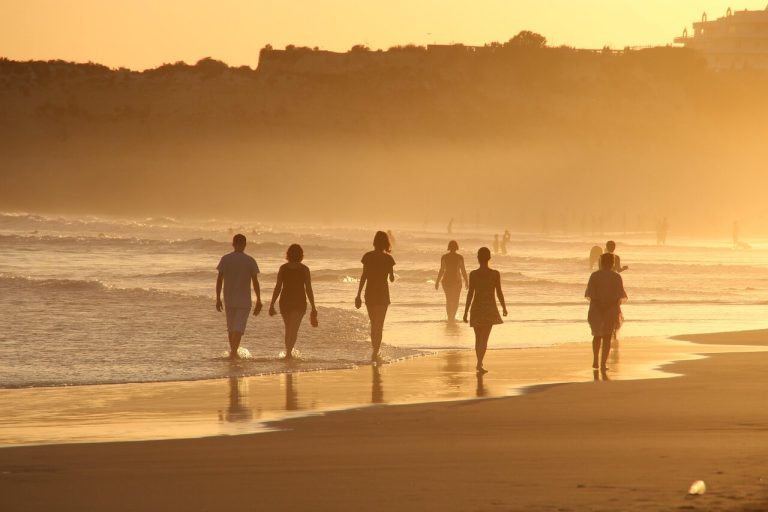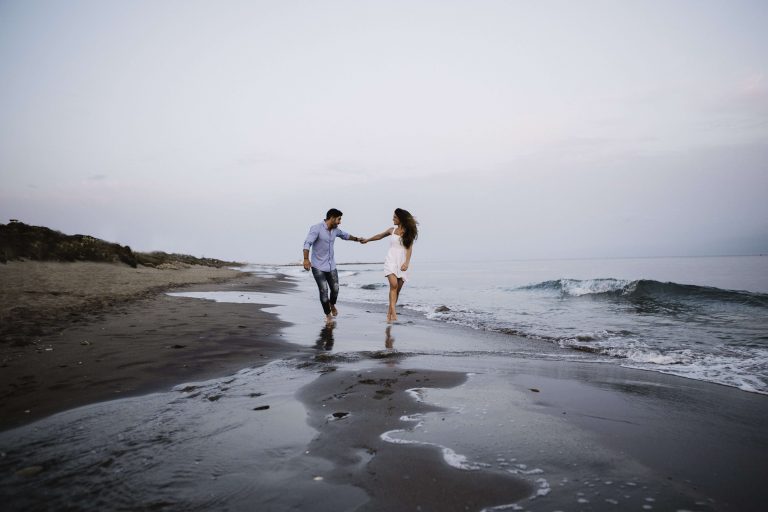

Knowing what to eat before and after a morning walk can help you stay energized, improve recovery, and get better results from your daily walks.
A morning walk is one of the simplest ways to start your day because it refreshes both your body and mind. Whether your goal is to lose weight, improve your fitness, increase your energy levels, or simply build a healthier lifestyle, walking is an excellent place to begin.
The best part is that it doesn’t require an expensive gym membership or special equipment. A comfortable pair of walking shoes and a little time each morning are often all you need.
However, one important question comes up again and again, especially for beginners:
“What should I eat before a morning walk? And what should I eat after walking?”
The answer isn’t exactly the same for everyone.
The best choice depends on several factors, including:
- How long you plan to walk
- How fast you usually walk
- Your overall health
- Your personal fitness goals
For example:
- If you’re walking mainly for weight loss, choosing the right foods before and after your walk can help support your progress.
- If you’re walking for endurance or fitness, your body may benefit from a little more fuel before you head out.
- Longer walks usually require different nutrition than a short 20-minute stroll.
The good news is that you don’t need expensive supplements or a complicated meal plan.
Simple, nutritious foods that are already available in most homes are more than enough to support your morning walk.
In this guide, you’ll learn:
- Why eating before a morning walk matters
- The best foods to eat before walking
- Whether walking on an empty stomach is a good idea
- What to eat after your walk for better recovery
- Easy nutrition habits that can help you get better results from your daily walks
Let’s get started.
Quick Answer
If you’re planning a light 20–30 minute morning walk, water may be enough if you feel comfortable walking without food. If you prefer a small snack, a banana is a simple option.
If you’ll be walking for 40–60 minutes or longer, you may prefer a light snack beforehand, especially if you feel hungry or low on energy.
After your walk, eat a balanced breakfast that includes protein, healthy carbohydrates, and plenty of water. This helps your body recover, restores energy, and keeps you feeling satisfied throughout the morning.
Why Eating Before a Morning Walk Matters
Think of your body like a car.
Just as a car needs fuel to run efficiently, your body needs energy to stay active. That energy comes from the food you eat.
After an overnight fast, some people may feel hungry or low on energy in the morning. Whether you need food before walking depends on the length and intensity of your walk and how your body feels.
This is why some people feel tired, lightheaded, or low on energy during an early morning walk.
On the other hand, eating a large meal right before walking isn’t a good idea either.
A heavy breakfast may cause:
- A feeling of fullness
- Stomach discomfort
- Slower movement
- Digestive discomfort during your walk
The key is finding the right balance.
The goal isn’t to fill your stomach before walking.
Instead, you want to give your body just enough fuel to feel comfortable and energized without feeling heavy.
In the next section, we’ll look at exactly what you should eat before a morning walk based on the length and intensity of your walk.
What to Eat Before a Morning Walk for Better Energy
One of the most common questions beginners ask is:
“Should I eat before going for a morning walk?”
The answer depends on how long you plan to walk and how intense your walk will be.
Not everyone needs the same type of meal. A short, relaxing walk requires much less energy than a long or brisk walk.
Let’s look at the best options for different situations.
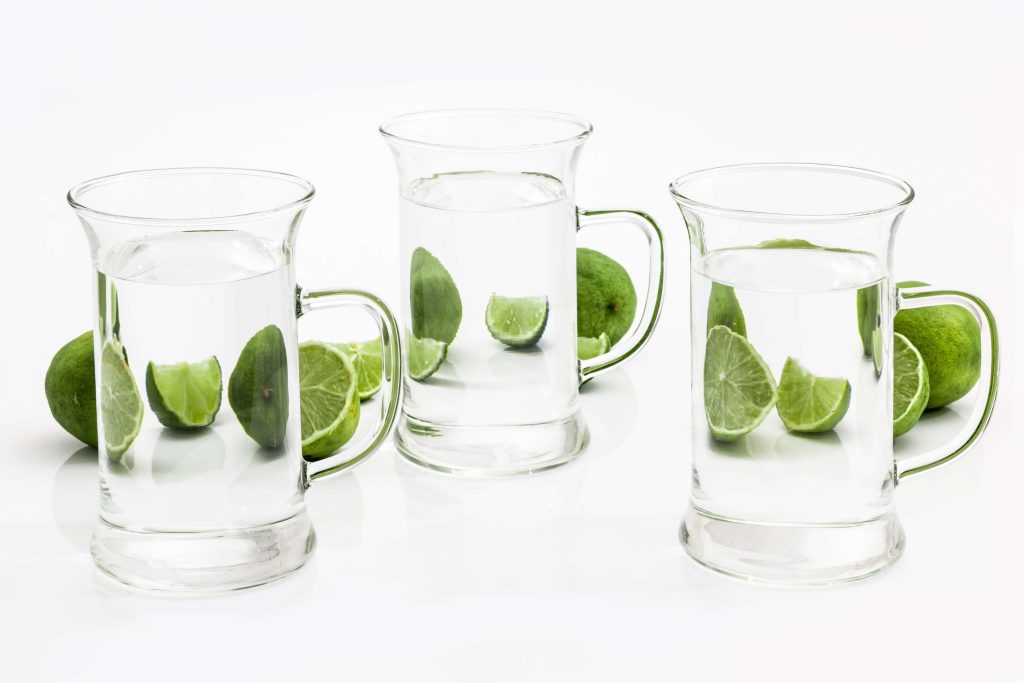
If You’re Walking for 20–30 Minutes
If you’re planning a light walk for about 20 to 30 minutes, most people don’t need a full meal beforehand.
A small amount of energy is usually enough.
Good choices include:
- A glass of water
- Warm water with lemon
- One small banana
- A cup of tea or black coffee with little or no sugar
These options help keep you hydrated while providing enough energy for a short walk without making you feel too full.
If you feel comfortable walking after only drinking water, that’s perfectly fine too.
If You’re Walking for 40–60 Minutes
If you’re planning a 40–60 minute walk or a brisker session, you may prefer a light snack beforehand, especially if you feel hungry or low on energy.
Here are some simple options:
- One banana
- A small bowl of oats
- One slice of whole-grain bread
- A handful of unsalted nuts
- A small serving of plain yogurt
These foods provide carbohydrates and other nutrients while being relatively light options before a walk.
Keep your snack light.
Avoid eating until you feel full, as this may make walking uncomfortable.
Is It Okay to Walk on an Empty Stomach?
Yes.
Many people enjoy walking on an empty stomach, especially if their walk is short and relaxed.
For many people, a short, comfortable morning walk without eating first may be fine if they feel well doing it.
However, everyone’s body responds differently.
If you experience:
- Dizziness
- Weakness
- Low energy
- Shaking or excessive hunger
it’s better to eat a small snack before your walk.
Listening to your body is always more important than following strict rules.
If walking without breakfast makes you feel good, there’s no reason to change.
If it doesn’t, a small snack can make your walk much more enjoyable.
Is Walking on an Empty Stomach Better for Weight Loss?
Many people believe that walking before breakfast burns more fat.
While some studies suggest that fasted exercise may increase fat use during the workout, overall weight loss depends much more on your daily calorie balance than on whether you eat before walking.
The most important factors for healthy weight loss are:
- Walking consistently
- Eating a balanced diet
- Staying physically active throughout the day
- Getting enough quality sleep
Choose the routine that feels comfortable and that you can maintain over the long term.
Consistency will always produce better results than trying to follow the “perfect” routine for a few days.
Foods to Avoid Before a Morning Walk
Choosing the wrong foods before walking can leave you feeling sluggish and uncomfortable.
Try to avoid:
- Fried foods
- Heavy rice-based meals
- Cakes, pastries, and sugary snacks
- Soft drinks
- Large portions of food
These foods take longer to digest and may cause bloating, stomach discomfort, or low energy during your walk.
Instead, keep your pre-walk meal light, simple, and easy to digest.
Your morning walk should leave you feeling refreshed—not weighed down.
What to Eat After a Morning Walk
After your walk, a balanced breakfast can help replenish fluids and essential nutrients, keep you satisfied throughout the morning, and prepare you for the rest of the day. Choosing the right foods can help support natural energy levels, physical recovery, and a healthy routine.
A balanced post-walk meal can help:
- Restore your energy levels
- Support muscle recovery
- Keep you feeling full for longer
- Reduce unnecessary snacking later in the day
- Help you maintain a healthy weight
The good news is that you don’t need expensive protein powders or complicated recipes.
Simple, everyday foods can provide everything your body needs.
What Should You Eat After a Morning Walk?
A healthy breakfast after walking should include three important nutrients:
- Protein to support muscle recovery
- Healthy carbohydrates to replace the energy you’ve used
- Water to stay hydrated
Including these nutrients in your breakfast can help you feel refreshed and energized throughout the morning.
Simple Post-Walk Breakfast Ideas
Here are some easy and nutritious meal ideas.
Option 1
- Two boiled eggs
- One slice of whole-grain bread
- A cup of tea or coffee with little or no sugar
This meal provides a good balance of protein and carbohydrates while keeping your breakfast light.
Option 2
- A bowl of oats
- Fresh fruit such as a banana or berries
- A handful of nuts
Oats provide slow-releasing energy, while fruit and nuts add vitamins, minerals, and healthy fats.
Option 3
- Plain yogurt with fresh fruit
or
- A banana smoothie made with low-fat milk
This is a quick and convenient breakfast for busy mornings.
Option 4
If your walk is longer or more physically demanding, a traditional balanced meal can also be a great choice.
For example:
- Rice
- Vegetables
- Lentils
- A small serving of fish or lean chicken
This combination supplies carbohydrates, protein, and important nutrients to help your body recover.
Foods to Avoid After Walking
After exercising, it’s tempting to reward yourself with unhealthy food.
However, doing so may reduce many of the benefits of your walk.
Try to limit foods such as:
- Deep-fried foods
- Sugary pastries and desserts
- Soft drinks
- Processed snacks
- Fast food
These foods are often high in calories while providing very little nutritional value.
Instead, choose meals made from whole, minimally processed ingredients whenever possible.
How Much Water Should You Drink?
Hydration is just as important as food.
Start your morning with some water and drink according to your thirst and activity level. On hot days or during longer walks, you may need more fluids.
Staying well hydrated helps your body regulate temperature, supports healthy circulation, and improves overall physical performance.
A simple habit like drinking enough water every day can make your walking routine even more effective.
Morning Walking + Smart Nutrition = Better Results
Morning walking and balanced meals can work well together. You don’t need a strict diet or complicated meal plan. Focus on simple foods and habits that fit comfortably into your routine and that you can maintain over time.

Simple Tips to Get the Most Out of Your Morning Walk
Building a healthy habit doesn’t require dramatic lifestyle changes.
In fact, small daily improvements are often easier to maintain and produce better long-term results.
If you’re just getting started, these practical tips can help you enjoy your morning walks while staying comfortable and motivated.
1. Keep Your Pre-Walk Meal Light
Avoid eating a heavy breakfast before your walk.
Instead, choose a light snack if you need one, such as:
- A banana
- A small bowl of oats
- A slice of whole-grain toast
- A handful of nuts
If you’re only walking for a short time and feel comfortable, even a glass of water may be enough.
The goal is to feel energized, not overly full.
2. Stay Hydrated
Your body loses water naturally while you sleep.
That’s why it’s a good idea to drink a glass of water soon after waking up.
Drink another glass after your walk, and continue drinking water throughout the day—especially during hot weather or after longer walks.
Proper hydration supports energy levels, circulation, and overall health.
3. Listen to Your Body
Not every morning feels the same.
Some days you’ll feel energetic and ready to walk longer or faster.
On other days, you may feel more tired than usual.
That’s perfectly normal.
Instead of pushing yourself too hard, adjust your pace based on how you feel.
Walking consistently at a comfortable pace is far more beneficial than overexerting yourself and losing motivation.
Healthy Habits Start with Small Steps
Creating a healthier lifestyle doesn’t happen overnight.
Simple habits—such as walking for 20 to 30 minutes each morning, eating a balanced breakfast, and drinking enough water—can lead to meaningful improvements over time.
Whether your goal is to lose weight, improve your fitness, boost your energy, or simply feel healthier, consistency matters far more than perfection.
Focus on making steady progress rather than chasing quick results.
Small actions repeated every day often lead to the biggest changes.
Frequently Asked Questions (FAQ)
Not necessarily.
If you’re planning a light walk for 20–30 minutes, many people feel perfectly comfortable with just a glass of water or a small snack such as a banana.
However, if you often experience dizziness, weakness, or low energy in the morning, having a light snack before your walk is usually a better option.
The best choice depends on your body and how you feel.
A balanced breakfast that includes protein, healthy carbohydrates, and plenty of fluids is ideal after walking.
Some healthy options include:
Two boiled eggs with whole-grain toast
Oatmeal topped with fresh fruit
Plain yogurt with fruit
Rice with vegetables, lentils, and a small serving of fish or lean chicken
These meals help restore energy, support muscle recovery, and keep you feeling satisfied throughout the morning.
Research on fasted walking has shown mixed results.
While some studies suggest it may increase fat use during exercise, overall weight loss depends much more on maintaining a healthy calorie balance, eating a nutritious diet, and staying physically active on a regular basis.
The best walking routine is the one you can comfortably follow for months—not just a few days.
Yes.
After rehydrating with water, you can enjoy a cup of tea or coffee.
For the healthiest choice, try to limit added sugar and high-calorie creamers.
A simple cup of tea or black coffee can fit well into a healthy morning routine.
Trusted Health Information
For evidence-based guidance on physical activity, healthy lifestyles, and exercise recommendations, visit the World Health Organization (WHO).
The WHO recommends that adults aim for at least 150 minutes of moderate-intensity physical activity each week, which can easily include regular walking.
Final Thoughts
A morning walk is one of the simplest habits you can build for better health.
Choosing the right foods before and after your walk can help you feel more energetic, support recovery, and make your walking routine easier to maintain.
The good news is that you don’t need a strict diet or expensive supplements. Simple habits such as drinking enough water, eating balanced meals, and walking consistently can support your goals over time.
Related Articles
Continue building your healthy walking routine with these helpful guides: