
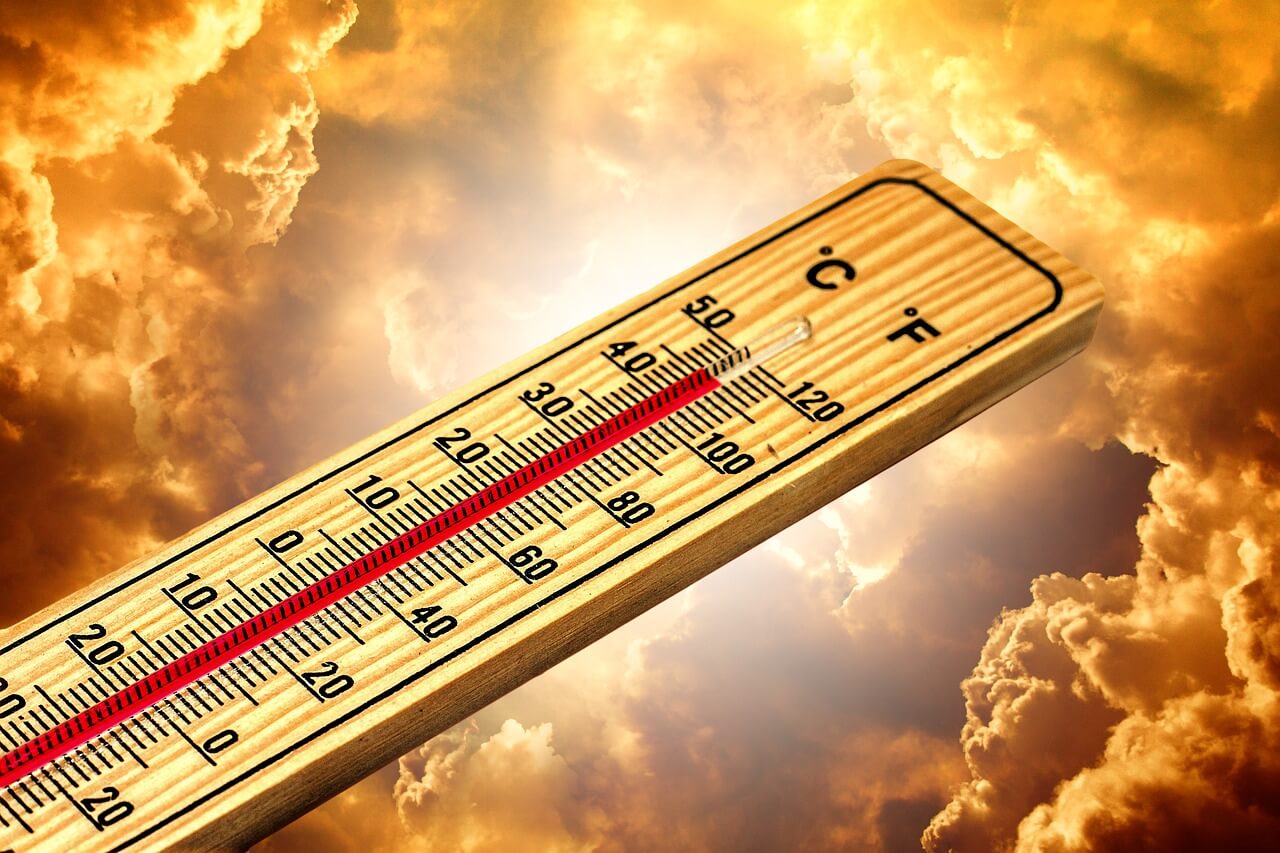
El Niño health effects are becoming an important health concern as extreme heat affects people around the world. Every year, new temperature records are broken, and many people wonder why summers seem to be getting hotter.
One of the natural climate patterns behind these rising temperatures is El Niño. This weather phenomenon can change normal climate conditions, leading to higher temperatures, longer dry periods, and more frequent heatwaves in many parts of the world.
Although many people have heard of El Niño, fewer understand how it can affect their health. For older adults, people living with heart disease, diabetes, or high blood pressure, extreme heat can become much more than an uncomfortable summer day. It can place extra stress on the body and increase the risk of serious health problems if proper precautions are not taken.
When temperatures rise, your body has to work harder to stay cool. Your heart pumps more blood to the skin, and you lose more fluids through sweating. Without enough water, dehydration can develop quickly, leaving you feeling weak, dizzy, or exhausted.
The good news is that a few simple daily habits can significantly reduce these risks. Staying informed and making small changes to your routine can help you remain healthy, even during periods of extreme heat.
In this guide, you’ll learn:
- What El Niño is and why it causes hotter weather
- How extreme heat affects your body
- Who faces the highest health risks
- Simple ways to protect yourself during hot weather
- Warning signs that require immediate medical attention
Whether you’re protecting yourself, an older family member, or young children, understanding these El Niño health effects can help everyone stay safer during the hottest months of the year.
Trusted Health Information
For more information about heatwaves, extreme temperatures, and protecting your health, visit the World Health Organization (WHO) heat and health resources.
What Is El Niño?
El Niño is a naturally occurring climate pattern that develops when sea surface temperatures in the central and eastern Pacific Ocean become warmer than normal.
Although this warming begins over the ocean, its effects can spread across the globe. It changes wind patterns, rainfall, and temperatures, creating very different weather conditions from one region to another. Some countries experience heavy rainfall and flooding, while others face drought, unusually high temperatures, and prolonged heatwaves.
It’s important to remember that every El Niño event is different. The exact weather conditions vary depending on where you live. However, one common effect seen in many regions is an increase in average temperatures and more frequent periods of extreme heat.
For most people, the weather itself is not the biggest concern. The real issue is how these higher temperatures affect the human body, especially among people who are already more vulnerable to heat-related illnesses.
Why Are Older Adults More Vulnerable to Extreme Heat?
Extreme heat affects everyone, but older adults usually face a much higher risk of developing heat-related health problems.
As we age, our bodies become less efficient at regulating temperature. This means it takes longer to cool down when the weather becomes very hot. As a result, the body has to work much harder just to maintain a safe internal temperature.
One way the body cools itself is by sending more blood toward the skin. While this helps release heat, it also forces the heart to work harder. For people living with heart disease or high blood pressure, this additional strain may increase fatigue and make existing health conditions more difficult to manage.
Many older adults also take medications for conditions such as high blood pressure, diabetes, or heart disease. Some of these medicines can increase fluid loss or make it harder for the body to stay hydrated, raising the risk of dehydration during hot weather.
Another important factor is that the sense of thirst naturally becomes weaker with age. Many seniors may not feel thirsty until they are already dehydrated, making regular water intake even more important.
When these factors combine with prolonged high temperatures, the risk of heat-related illness rises significantly. Understanding these risks is the first step toward protecting your health and preventing more serious medical problems.
Top El Niño Health Effects You Should Never Ignore
Extreme heat does not affect everyone in the same way. While some people may only feel tired or uncomfortable, others can develop serious health problems that require immediate medical attention.
Knowing the early warning signs can help you take action before a minor problem becomes a medical emergency.
1. Dehydration
One of the most common El Niño health effects is dehydration.
On hot days, your body loses water and important minerals through sweat. If these fluids are not replaced, dehydration can develop quickly.
Early symptoms may include:
- Dry mouth and lips
- Feeling unusually thirsty
- Dark-colored urine or urinating less often
- Headaches
- Fatigue or weakness
- Dizziness when standing up
Older adults are especially vulnerable because they may not feel thirsty even when their bodies need more water.
The easiest way to stay hydrated is to drink water regularly throughout the day instead of waiting until you feel thirsty.
2. Heat Exhaustion
Heat exhaustion occurs when your body loses too much water and salt after spending time in high temperatures.
This condition should never be ignored because it can develop into heat stroke, a life-threatening medical emergency.
Common symptoms include:
- Heavy sweating
- Dizziness
- Headache
- Nausea or vomiting
- Muscle cramps
- Weakness or unusual tiredness
- Cool, pale, or clammy skin
If you notice these symptoms, move to a cool place immediately, drink water slowly, loosen tight clothing, and rest. If symptoms continue or worsen, seek medical care as soon as possible.
3. Extra Strain on the Heart and Lungs
During hot weather, your heart works harder to keep your body cool by pumping more blood toward the skin.
For healthy adults, this extra effort is usually manageable. However, people living with heart disease, high blood pressure, or chronic lung conditions may experience greater difficulty.
Extreme heat may lead to:
- Shortness of breath
- Chest discomfort
- Faster heartbeat
- Feeling exhausted after light physical activity
Air quality also tends to worsen during heatwaves in many regions. Higher levels of pollution can irritate the lungs and make breathing more difficult, especially for people with asthma or chronic respiratory conditions.
If you have a heart or lung condition, avoid strenuous outdoor activities during the hottest hours of the day and follow your healthcare provider’s advice.
4. Poor Sleep and Low Energy
Hot nights can make it difficult to sleep comfortably.
When your bedroom stays warm, your body struggles to cool down enough for deep, restful sleep. Even if you spend enough hours in bed, poor-quality sleep can leave you feeling tired the next day.
After several nights of inadequate sleep, you may notice:
- Lower energy levels
- Difficulty concentrating
- Increased irritability
- Reduced physical performance
- A weaker immune system
Keeping your bedroom cool, using a fan, wearing lightweight sleepwear, and drinking enough water during the day can all help improve sleep quality during periods of extreme heat.
5. Higher Risk for Children and Older Adults
Although anyone can become sick during a heatwave, young children and older adults face the greatest risk.
Children’s bodies heat up more quickly, while older adults often have a reduced ability to regulate body temperature and may not recognize the early signs of dehydration.
If you have elderly parents, grandparents, or young children at home, check on them regularly during extremely hot weather. Encourage them to drink water, stay indoors during the hottest part of the day, and rest whenever they begin to feel overheated.
Small acts of care can make a significant difference during periods of extreme heat.
Simple Ways to Stay Safe During Extreme Heat
The good news is that protecting yourself from extreme heat does not require major lifestyle changes. A few simple daily habits can significantly lower your risk of heat-related illness during an El Niño event or any period of unusually hot weather.
1. Drink Water Before You Feel Thirsty
Many people wait until they feel thirsty before drinking water. However, thirst is often a late sign that your body already needs fluids.
Instead, sip water regularly throughout the day, even if you do not feel thirsty. This is especially important for older adults, who may have a weaker sense of thirst.
If you have kidney disease, heart failure, or another condition that requires fluid restrictions, always follow your healthcare provider’s advice about how much water you should drink.
2. Avoid the Hottest Hours of the Day
The sun is usually strongest between 11:00 AM and 3:00 PM.
If possible, stay indoors during these hours, especially if the weather forecast includes extreme heat warnings. When you need to go outside, try to schedule errands early in the morning or later in the evening when temperatures are lower.
If you enjoy walking for exercise, consider moving your walks to cooler parts of the day. This simple change can help reduce heat stress while allowing you to stay active.
3. Wear Light, Comfortable Clothing
Your clothing plays an important role in helping your body stay cool.
Choose lightweight, loose-fitting clothes made from breathable fabrics such as cotton. Light-colored clothing reflects more sunlight than dark colors, helping your body absorb less heat.
If you spend time outdoors, wearing a wide-brimmed hat and sunglasses can provide additional protection from direct sunlight.
4. Keep Your Home as Cool as Possible
Your living environment can make a big difference during a heatwave.
To reduce indoor temperatures:
- Close curtains or blinds during the hottest part of the day.
- Keep direct sunlight out of your home whenever possible.
- Use fans or air conditioning if available.
- Open windows during cooler evening or early morning hours to improve airflow.
Even small changes can make your home much more comfortable during periods of extreme heat.
5. Choose Light, Water-Rich Foods
Heavy, greasy meals can make you feel even warmer because your body works harder to digest them.
Instead, include more foods that naturally contain water, such as:
- Watermelon
- Oranges
- Cucumbers
- Tomatoes
- Leafy green vegetables
- Fresh salads
Eating lighter meals can help you stay comfortable while supporting proper hydration.
When Should You Seek Medical Help?
While many heat-related illnesses improve with rest and hydration, some symptoms require immediate medical attention.
Seek medical care right away if you or someone else experiences:
- Severe dizziness or fainting
- Confusion or unusual behavior
- Chest pain
- Difficulty breathing
- A very high body temperature
- Extreme weakness that does not improve
- Loss of consciousness
Older adults can become seriously ill much faster than younger people, so never ignore these warning signs.
Final Thoughts
We cannot control the weather, but we can control how we prepare for it.
Understanding the El Niño health effects and taking simple preventive steps can help protect your heart, brain, and overall health during periods of extreme heat.
Small daily habits—such as drinking enough water, avoiding the hottest hours of the day, wearing lightweight clothing, and paying attention to early warning signs—can make a meaningful difference.
If you have older family members, friends, or neighbors, check on them during heatwaves. A simple phone call or visit could help prevent a serious health emergency.
Staying safe in hot weather is not about making dramatic changes. It is about making smart decisions every day.
Before you head outside today, fill your water bottle, dress for the weather, and take a few extra minutes to protect yourself from the heat. A few simple steps today can help you stay healthier and safer during tomorrow’s hottest days.
Learn More About Staying Healthy
Want to build even healthier daily habits? These helpful guides can support your overall well-being: