

Many people today are looking for simple and practical ways to improve their health. While joining a gym can be helpful, not everyone has enough time, money, or access to a fitness center. The good news is that there are many activities you can add to your daily routine to stay active. Among them, Cycling for Beginners is a great choice for improving fitness while enjoying a healthy lifestyle.
Cycling is not only a fun outdoor activity but also a complete exercise that can support heart health, muscle strength, and mental well-being. For people who have not exercised for a long time, cycling can be a comfortable way to become active again without putting too much pressure on the body.
Another advantage of cycling is that it can be used as a practical daily activity. For example, instead of using a vehicle for short trips, riding a bicycle can help you stay active while also saving money on transportation costs.
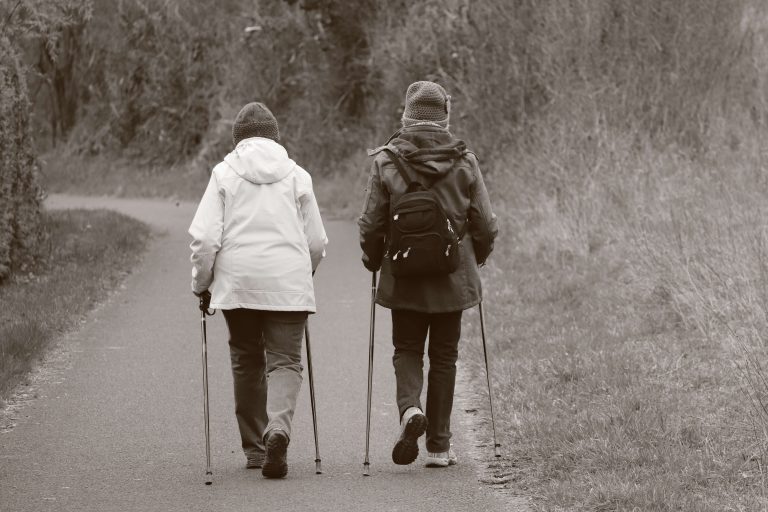
Many people choose walking as their first form of exercise, and it is an excellent habit. However, cycling can also be added to a healthy lifestyle as another simple way to increase daily movement. If you do not have access to a bicycle, there is no problem with continuing walking as your main exercise because consistency is what matters most.
Why Is Cycling for Beginners a Good Exercise Choice?
One of the main benefits of cycling is that it is a low-impact exercise. This means it allows you to move your body without creating as much stress on your joints compared to high-impact activities such as running or jumping.
Because of this, cycling can be a suitable option for many beginners, older adults, and people who are returning to exercise after a long break.
When you ride a bicycle, your leg muscles, especially your thighs and lower legs, become active. At the same time, your heart and lungs work harder to support your body during movement. Regular cycling can help improve your overall fitness level and make daily activities easier.
Cycling for Beginners: Main Health Benefits You Should Know
1. Supports Heart Health
Cycling is an aerobic exercise that increases your heart rate and helps your cardiovascular system become more active.
Regular physical activities like cycling can become part of a healthy lifestyle and may help support better heart health over time.
According to the World Health Organization Physical Activity Guidelines, regular physical activity is important for maintaining overall health and reducing the risk of many health problems.
2. Helps With Weight Management
Maintaining a healthy weight depends on both physical activity and healthy eating habits.
Cycling can help burn calories, and when it becomes a regular habit, it can be included as part of a healthy weight management plan.
However, as we always mention, exercise works best when combined with balanced food choices and healthy daily habits.
3. Builds Leg and Body Strength
Cycling mainly works the muscles in your legs. Regular cycling can help improve leg strength and endurance over time.
It also requires balance and body control while riding, which may help improve coordination and overall body movement.
Cycling vs Walking: What Is the Difference?
Walking and cycling are both healthy activities that can help you stay active and improve your overall fitness. Both exercises can support heart health, help manage weight, and contribute to better mental well-being.
However, there are some differences between these two activities.
Walking is one of the easiest exercises to start because it does not require any special equipment. You can walk almost anywhere, at any time, and it is suitable for people of different fitness levels.
Cycling requires a bicycle, but it offers some unique benefits. You can adjust your speed and intensity depending on your fitness level. For longer distances, cycling may feel easier than walking because the bicycle helps reduce the effort needed to move forward.
For people who want to exercise while putting less stress on their joints, cycling can be a good option. However, the best exercise is always the one you enjoy and can continue as a regular habit.
How Long Should a Beginner Cycle?
One common mistake many beginners make is trying to cycle too far or too fast on their first day. Giving your body enough time to adjust is important when starting any new exercise routine.
If you have not exercised for a long time, you can begin with a comfortable 10–15 minute ride. As your body becomes stronger and more comfortable, you can slowly increase the duration.
For example:
- Start with 15–20 minutes during the first few weeks
- Increase to around 30 minutes as your fitness improves
- Gradually add more time based on your ability
The most important thing is not cycling for many hours in one day. Building a habit that you can maintain for a long time is much more valuable.
Choosing the Right Bicycle for Cycling Beginners
You do not need an expensive bicycle to start cycling. A simple and comfortable bicycle that matches your needs can be enough.
When choosing a bicycle, consider these important points:
Is the Seat Height Correct?
The bicycle seat should be adjusted properly for your body. If the seat is too low or too high, it may cause discomfort in your legs or knees.
A correct seat position can make cycling more comfortable and reduce unnecessary strain.
Choose a Comfortable Riding Style
Think about where you plan to ride your bicycle.
Are you cycling:
- Around your neighborhood?
- In a park?
- For transportation?
- On longer outdoor routes?
Your choice should match your daily needs.
For beginners, comfort and safety are usually more important than speed.
Safety Tips for Beginner Cyclists
Safety should always be a priority when cycling, especially when you are just starting.
Wear a Helmet
Wearing a helmet can provide extra protection and may reduce the risk of serious injury during unexpected accidents.
Choose Safe Routes
Beginners should start with safe areas that have less traffic and smoother roads. Quiet streets, parks, and dedicated cycling paths can be better choices when learning.
Prepare Your Body Before Cycling
Doing some light stretching before a longer ride and relaxing your muscles after cycling may help your body feel more comfortable.
Listening to your body is important. If you feel unusual pain or extreme tiredness, it is better to slow down and allow your body to recover.

Common Cycling Mistakes Beginners Should Avoid
Although cycling is a simple activity, some common mistakes can make the experience uncomfortable or reduce motivation.
One mistake is pushing yourself too hard at the beginning. Cycling too far or too fast before your body is ready may lead to tiredness and make it harder to continue the habit.
Another mistake is using the wrong riding position. Keeping your shoulders, back, or arms too tense while cycling may create discomfort.
Adjusting your bicycle correctly, maintaining a relaxed posture, and increasing your activity level gradually can make cycling safer and more enjoyable.
How Does Cycling Support Mental Health?
Many people think of cycling only as a physical exercise. However, it can also have positive effects on your mental well-being.
Taking time away from daily responsibilities, work pressure, and busy routines to go for a bicycle ride can help you refresh your mind. Especially when you ride outdoors in a peaceful environment, a park, or a natural area, it can create a relaxing experience.
Like other forms of exercise, cycling may help improve your mood and reduce feelings of stress. Physical activity encourages your body to release natural chemicals that are linked with better feelings and relaxation.
For this reason, cycling is not only a way to strengthen your body but also a simple habit that can support a healthier and more balanced lifestyle.
Indoor Cycling vs Outdoor Cycling: Which One Is Better?
Today, people can enjoy cycling in two main ways: Indoor Cycling and Outdoor Cycling.
Both options can provide health benefits, but they offer different experiences.
Outdoor Cycling
Outdoor cycling allows you to enjoy fresh air, changing scenery, and the feeling of exploring new places.
Some benefits include:
- Enjoying nature and outdoor surroundings
- Making exercise more enjoyable
- Adding movement to your daily routine
However, you should also consider factors such as:
- Weather conditions
- Road safety
- Traffic levels
- Visibility during your ride
Choosing safe routes and following basic safety rules can make outdoor cycling a better experience.
Indoor Cycling
Indoor cycling uses a stationary bike, usually at home or in a gym.
Some advantages include:
- You can exercise regardless of the weather
- You can control speed and resistance
- You can exercise in a safer and controlled environment
The best option depends on your lifestyle, available space, and personal preference. The most important thing is choosing a method that helps you stay consistent.
Cycling for Beginners: How Often Should You Ride?
For beginners, cycling a few days per week can be a good way to build a healthy exercise habit.
A simple starting plan could be:
- Cycling 3–4 days per week
- Riding for around 20–30 minutes at a comfortable pace
As your fitness improves, you can gradually increase your cycling time, distance, or intensity.
However, exercising harder every day is not necessary. Creating a routine that you can continue for months and years is much more important.
Consistency is the key to getting long-term benefits from cycling.
Cycling for Beginners: How to Combine Walking and Cycling
If you already enjoy walking, adding cycling can make your fitness routine more interesting and balanced.
You do not have to choose only one exercise. Combining different activities can help you stay motivated and work different muscle groups.
For example:
Monday: Walking
Tuesday: Cycling
Wednesday: Rest day or light walking
Thursday: Cycling
Weekend: Longer walk or cycling session
This type of routine can reduce boredom and help you stay active in different ways.
Walking and cycling can work well together because both support a healthy, active lifestyle.
Final Thoughts: Is Cycling Good for Beginners?
Cycling for Beginners is a simple and enjoyable way to become more active and improve your overall health.
Regular cycling may support:
- Heart health
- Muscle strength
- Weight management
- Mental well-being
- Daily energy levels
You do not need an expensive bicycle or a complicated fitness plan to start. A comfortable bicycle, a safe place to ride, and a commitment to building a regular habit are enough.
The best approach is to start slowly, listen to your body, and gradually improve over time.
Just like walking, cycling is a simple but powerful habit that can support a healthier lifestyle.
Frequently Asked Questions (FAQ)
Beginners can start with around 10–20 minutes of comfortable cycling. As fitness improves, the duration can gradually be increased.
Yes, regular cycling can help burn calories and support a healthy weight management plan. However, combining exercise with balanced eating habits is important for better results.
Both walking and cycling are excellent forms of exercise. The better choice depends on your goals, fitness level, health condition, and which activity you enjoy doing consistently.
Yes, many people combine walking and cycling. Light walking and moderate cycling can be part of a balanced fitness routine.
Related Articles
You may also like: