
An evening walk before dinner can be a simple way to add more movement to your day, unwind after work, and enjoy a little time away from screens. You do not need a gym membership, special equipment, or a complicated workout plan. Sometimes, a comfortable walk around your neighbourhood is enough to make your evening feel different.
After a busy day, it is easy to move straight from work or household chores to the sofa and spend the rest of the evening sitting down. Making time for a walk before dinner gives you an opportunity to get outside, clear your thoughts, and create a healthier transition between your daytime responsibilities and your evening routine.
The best part is that this habit does not need to be perfect. You can walk alone, invite a family member, or simply enjoy a few quiet minutes outdoors. Here are the practical benefits of an evening walk before dinner and some easy ways to make it part of your life.
1. Take a Break From a Busy Day
Work deadlines, household responsibilities, traffic, and family commitments can leave you feeling mentally tired by the evening.
A walk gives you a chance to step away from those demands for a little while. Instead of continuing to look at a screen or think about your unfinished tasks, you can pay attention to your surroundings.
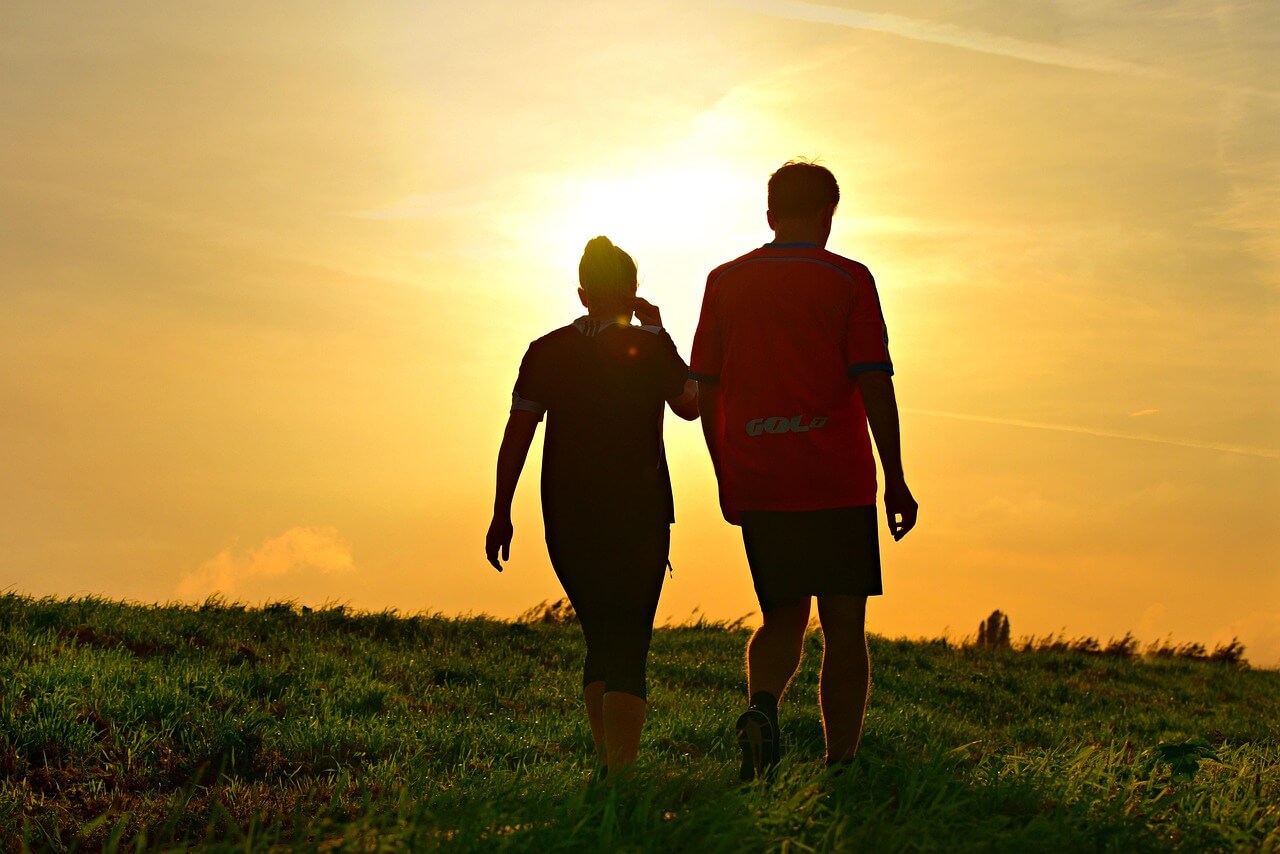
You might notice the evening breeze, hear birds in nearby trees, or watch the sky change colour as the sun sets. These small details can make a familiar route feel more enjoyable.
You do not have to walk fast to enjoy this break. Choose a comfortable pace and allow yourself to enjoy the experience rather than treating every walk as another task to complete.
2. Make It Easier to Stay Active
Many people spend a large part of the day sitting at a desk, travelling, or doing activities that involve little movement.
An evening walk is one practical way to add physical activity without having to rearrange your entire schedule. It can be especially helpful if you find it difficult to fit exercise into the morning.
You could walk around your neighbourhood, visit a nearby park, or take a slightly longer route home when conditions allow.
Regular walking contributes to your overall physical activity. The World Health Organization (WHO) explains the importance of physical activity for health in its physical activity guidance.
Remember that your evening walk does not have to replace every other form of movement. It can simply be one manageable part of an active lifestyle.
3. Enjoy Quality Time With Family or Friends
Evenings often become busy with cooking, homework, television, and phone use. Although family members may be in the same room, everyone can end up doing something separate.
Inviting someone for a walk before dinner creates an opportunity to spend time together without planning an expensive outing.
You might walk with your partner, talk with your children about their day, or catch up with a friend. Conversation often feels more relaxed when you are walking side by side rather than sitting down for a formal discussion.
If you have older family members who enjoy walking, choose a route and pace that suit everyone. There is no need to turn a family walk into a fitness challenge.
Even a short walk can become a pleasant shared routine that everyone looks forward to.
4. Create a Calmer Transition to Dinner
The period between finishing work and sitting down to eat can feel rushed. You might move directly from answering messages or completing chores to preparing dinner, without taking a moment for yourself.
A short walk can create a useful pause between those activities.
For example, you could finish your work, change into comfortable clothes, walk around the block, and then return home to prepare or enjoy your meal. This simple sequence can help give your evening more structure.
You may also find that stepping away from work-related thoughts makes it easier to focus on the people around you when you return home.
An evening walk does not guarantee that you will feel less stressed or eat differently. However, creating a regular break between daily responsibilities and dinner may help you develop a routine that feels more manageable.
5. Support Your Weight-Management Routine
Walking uses energy, and including regular walks in your week can contribute to your overall physical activity.
However, an evening walk does not automatically cause weight loss. Changes in body weight depend on several factors, including your overall eating habits, activity levels, sleep, and individual circumstances.
The advantage of walking is that it can be adapted to different fitness levels and schedules. You might start with a short, comfortable walk and gradually increase your time or pace as you become more accustomed to the activity.
You do not need to walk for an hour or try to burn a particular number of calories every evening.
If weight management is your goal, focus on building a routine you can maintain alongside balanced meals and other healthy habits. For more specific guidance on walking duration, read our guide on How Long Should You Walk for Weight Loss?.
6. Give Your Body a Chance to Move Comfortably
After spending hours sitting, you may notice that your body feels stiff when you first stand up. A comfortable walk gives you an opportunity to move your legs, hips, and other muscles through their usual range of movement.
Start at an easy pace, especially if you have been sitting for a long time. Let your arms swing naturally, keep your shoulders relaxed, and choose a route that feels comfortable.
You do not need to walk uphill or increase your speed to make the activity worthwhile. The aim is simply to move in a way that suits your current fitness level.
If you experience ongoing joint pain or have difficulty walking, consider seeking advice from a qualified healthcare professional about suitable activity.
7. Build a Walking Habit That Fits Your Evening
One of the most useful aspects of an evening walk is how easily it can fit into an ordinary day.
You do not need to wait until you have a free hour or feel especially motivated. Instead, connect the walk to something you already do.
For example:
- Finish your work and change into walking clothes.
- Take a short walk before beginning dinner preparations.
- Invite a family member to join you on certain days.
- Choose a familiar route so you do not have to plan each time.
- Keep your walking shoes somewhere easy to find.
Start with an amount of walking that feels realistic. If you have only a little free time, a shorter walk may be more practical than setting a demanding target you struggle to maintain.
And if you miss a day, there is no need to start over. Return to your usual routine when you can.
When Is the Best Time to Walk Before Dinner?
There is no single time that works best for everyone.
Some people prefer walking shortly after finishing work, while others enjoy going outside just before preparing their evening meal. Your schedule, local weather, daylight, and personal comfort can all influence the best time for you.
You do not have to follow a strict rule that says you must walk exactly 30 or 60 minutes before dinner. Choose a time that allows you to walk comfortably without making the rest of your evening stressful.
If you are hungry, tired, or short on time, adjust your plans rather than forcing yourself to complete a particular routine.
For a broader comparison of walking times, see our guide to Best Time to Walk: Morning or Evening?.

Simple Tips for a Comfortable Evening Walk
A few practical choices can help make your walk more enjoyable.
Wear Comfortable Shoes
Choose shoes that fit properly and feel comfortable on your usual walking surface. You do not need expensive footwear, but avoid shoes that cause rubbing or discomfort.
Choose a Suitable Route
Familiar neighbourhood streets, parks, or walking paths may work well. Choose a route that suits your ability and the conditions around you.
Be Visible After Sunset
If you walk when it is getting dark, use well-lit routes and wear clothing that helps other road users see you. Carry a phone for emergencies and remain aware of traffic and your surroundings.
Take Water When You Need It
In warm weather, a walk can feel more demanding. Bring water if appropriate for the conditions and your needs.
Listen to Your Body
Begin at a comfortable pace and adjust as necessary. If you experience unusual pain, dizziness, chest discomfort, or severe shortness of breath, stop walking and seek appropriate medical advice.
If you have a health condition or are unsure what activity is suitable for you, speak with a qualified healthcare professional.
Frequently Asked Questions
An evening walk can be a convenient way to add physical activity to your day, take a break from screens, and establish a regular routine. The benefits you experience will depend on your circumstances and the activity you choose.
There is no fixed duration that everyone must follow. If you are starting out, try a short walk that feels manageable and gradually adjust it according to your comfort, fitness, and schedule.
Many people can include walking in their daily routines, but the right amount depends on their fitness and health. You can alternate between brisker walks and easier sessions, and adjust your routine when you need to.
Some people find that a comfortable evening walk helps them unwind after a busy day. However, it does not guarantee better sleep. Your sleep habits, environment, stress levels, and other factors also matter.
Neither option is automatically best for everyone. Some people prefer a walk before dinner because it fits their schedule, while others enjoy walking after eating. Choose a time that feels comfortable and works with your routine.
Final Thoughts
An evening walk before dinner does not need to be a demanding workout or another item on a long to-do list.
It can be a chance to step away from screens, spend time with someone you care about, and add movement to a day that may otherwise involve a lot of sitting.
Start with a route you enjoy and a pace that feels comfortable. As the habit becomes familiar, you can adjust the length and frequency to suit your life.
You do not need a perfect routine to make a positive change. Sometimes, simply putting on your shoes and stepping outside is a good place to begin.