

.Walking mistakes for weight loss are common among beginners who want to lose weight through daily walking. Walking is one of the easiest and most effective ways to support weight loss, improve heart health, and enjoy a healthier, more active lifestyle. It doesn’t require an expensive gym membership or special equipment. Simply putting on a comfortable pair of walking shoes and walking for about 30 minutes a day can make a noticeable difference to your overall health.
However, many beginners experience the same frustration:
“I walk every day, but I’m still not losing weight.”
If this sounds familiar, don’t worry—you’re not alone.
Walking alone isn’t always enough to achieve your weight loss goals. Small mistakes that many people make without realizing it can slow their progress, even if they walk consistently.
The truth is that successful weight loss depends on several factors working together. Walking is important, but so are your eating habits, sleep, hydration, stress levels, and overall daily activity. If one or more of these areas aren’t supporting your goals, losing weight may take longer than expected.
Some people walk for an hour every day. Others proudly reach 10,000 steps daily. Yet they still become discouraged because the number on the scale doesn’t seem to change. In many cases, the problem isn’t walking itself—it’s how they’re walking or the habits surrounding their walking routine.
The good news is that these mistakes are easy to fix. A few simple changes can make your walks more effective and help you see better results over time.
In this guide, you’ll discover five common walking mistakes for weight loss that beginners make, along with practical tips to correct them and get more from every walk.
Quick Answer
If you’re walking regularly but not losing weight, one or more of these common mistakes may be holding you back:
- Walking at the same speed every day
- Not walking long enough
- Wearing the wrong shoes
- Eating back the calories you burn
- Walking with poor posture
Correcting these simple habits can make your walking routine more effective and better support healthy, long-term weight loss.
1. Walking Mistakes for Weight Loss: Walking at the Same Speed Every Day
If you walk at exactly the same pace, for the same distance, and for the same amount of time every day, your body quickly adapts to that routine.
Once that happens, your body doesn’t need to work as hard, which means you may burn fewer calories than before. Over time, this can slow your weight loss progress.
How to Fix It
A simple solution is interval walking.
For example:
- Walk at your normal pace for 3 minutes.
- Increase your speed and walk briskly for 1 minute.
- Return to your normal pace.
- Repeat this pattern throughout your walk.
Changing your pace challenges your body, increases energy use, and can help you burn more calories than walking at one steady speed.
Another effective strategy is to gradually increase either your walking time or distance every week.
For example:
- Week 1: Walk for 20 minutes
- Week 2: Walk for 25 minutes
- Week 3: Walk for 30 minutes
Small, consistent improvements like these often lead to the biggest long-term results.
2. Not Walking Long Enough
Many beginners believe that a quick 10- or 15-minute walk is enough to lose weight. While even a short walk is good for your overall health and mood, it usually isn’t enough to support significant calorie burning or long-term weight loss.
Your body first uses readily available energy for movement. As your walk continues, especially at a steady pace, your body becomes more likely to use stored fat as a source of energy. This is one reason why slightly longer walks can be more effective for weight management.
This doesn’t mean you need to walk for hours every day. Instead, aim to gradually increase the amount of time you spend walking so your body has more opportunity to burn calories.
How to Fix It
If you’re just getting started, begin with a walk that’s comfortable for you.
For example:
- Week 1: 20 minutes
- Week 2: 25 minutes
- Week 3: 30 minutes
- Week 4: 35 minutes
Increasing your walking time little by little helps your body adapt without feeling overwhelmed.
For most beginners, walking 30 to 45 minutes on most days of the week is a realistic and effective goal for supporting healthy weight loss.
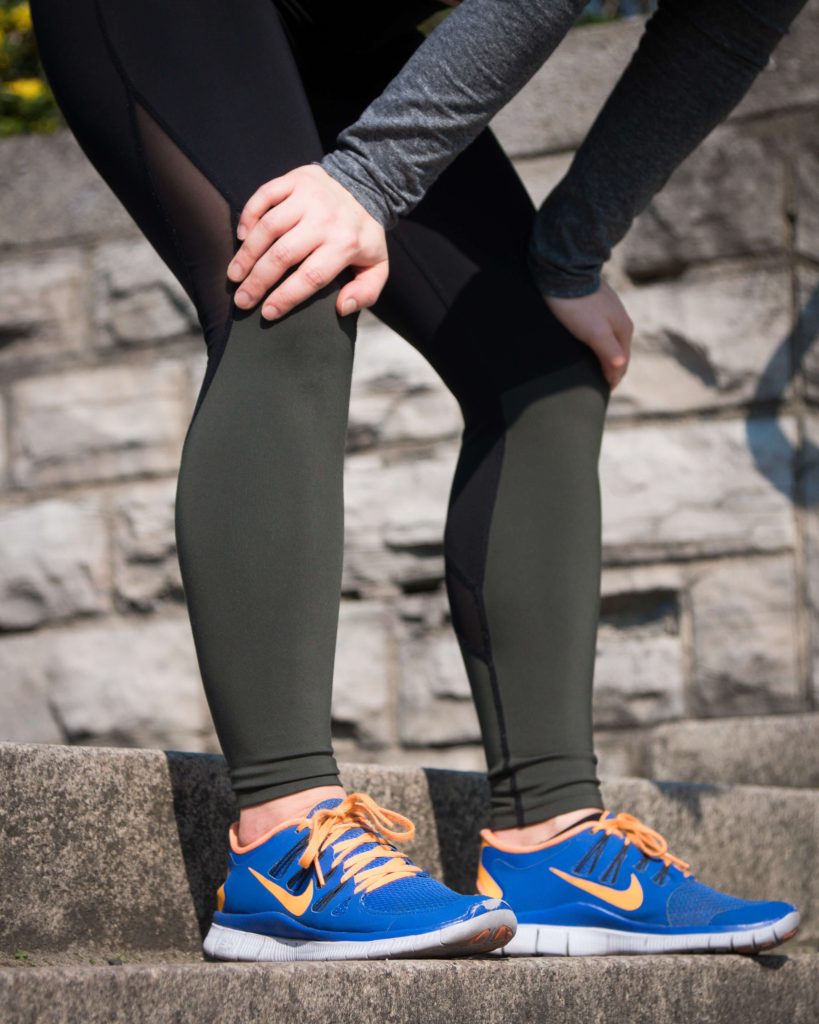
3. Walking Mistakes for Weight Loss: Wearing the Wrong Shoes
Many people underestimate how important proper footwear is for walking.
Some assume that any pair of shoes will do, but wearing heavy, worn-out, or unsupportive shoes can make walking uncomfortable and even increase your risk of injury.
Poor footwear may lead to:
- Foot pain
- Heel pain
- Knee discomfort
- Muscle soreness
- Blisters
- A higher risk of long-term injuries
When walking becomes painful, many people reduce their activity or stop walking altogether. This can slow or completely halt their weight loss progress.
How to Fix It
You don’t need to buy the most expensive walking shoes on the market. However, choosing shoes with the right features can make a big difference.
Look for walking shoes that provide:
- Good arch support
- Soft cushioning
- A lightweight design
- Good grip
- A proper fit for your feet
Think of a quality pair of walking shoes as an investment in your health rather than an unnecessary expense.
Comfortable shoes allow you to walk farther, reduce discomfort, and make it easier to stay consistent with your exercise routine.
4. Eating Back the Calories You Burn
This is one of the biggest reasons many people don’t lose weight, even though they walk regularly.
After finishing a walk, it’s easy to think:
“I walked for 30 minutes today, so I deserve a treat.”
Unfortunately, this habit can quickly cancel out the calories you’ve just burned.
A brisk 30-minute walk may burn around 150 to 200 calories, depending on your body weight and walking speed.
However, foods such as:
- A slice of cake
- A doughnut
- A sugary soft drink
- A chocolate bar
- Fast food
can easily contain 300 to 500 calories or more.
If you regularly eat more calories than you burn, losing weight becomes much more difficult.
How to Fix It
Instead of rewarding yourself with high-calorie snacks, choose foods that help your body recover and keep you feeling full.
Good post-walk choices include:
- Boiled eggs
- Oatmeal
- Plain yogurt
- A banana
- Whole-grain toast
- Fresh fruit
- A handful of unsalted nuts
These foods provide protein, healthy carbohydrates, vitamins, and minerals without adding unnecessary calories.
Remember, walking works best when it’s combined with healthy eating habits. Both are equally important for long-term weight loss success.
5. Walking with Poor Posture
Many beginners focus on how far or how fast they walk but pay little attention to their posture. However, the way you hold your body while walking can affect your comfort, walking efficiency, and overall performance.
Ask yourself:
- Do you often look down at your phone while walking?
- Do you keep your head bent forward?
- Are your shoulders rounded or tense?
If your answer is yes, poor posture could be making your walks less effective.
Walking with poor posture may:
- Make breathing less efficient
- Reduce your walking speed
- Cause neck, shoulder, or lower back pain
- Make you feel tired more quickly
- Reduce the overall quality of your walk
Good posture helps your body move naturally, making each step more comfortable and efficient.
How to Fix It
While walking:
- Keep your head up and look straight ahead.
- Relax your shoulders instead of hunching them forward.
- Swing your arms naturally.
- Keep your back straight.
- Tighten your core muscles slightly to improve balance.
Maintaining proper posture can help you walk longer, feel more comfortable, and get more out of every walking session.
Bonus Tips to Avoid Walking Mistakes for Weight Loss
Avoiding these five mistakes is a great start, but adding a few simple habits can make your walking routine even more effective.
1. Challenge Yourself a Little Each Week
Instead of walking the same distance every day, gradually increase the challenge.
For example:
- Add five extra minutes to your walk.
- Walk an additional 1,000 steps each day.
- Choose a route with gentle hills.
- Increase your walking speed for a few minutes.
These small improvements encourage your body to adapt and continue burning calories efficiently.
2. Track Your Progress
Many people give up because they don’t see immediate changes on the scale.
Remember that weight isn’t the only sign of progress.
Try tracking:
- Daily step count
- Walking time
- Distance walked
- Weekly body weight
- Waist measurements
Sometimes your clothes will fit better even before you notice major changes in your weight.
Tracking your progress can also help you stay motivated and consistent.
3. Get Enough Sleep
Exercise and healthy eating are important, but quality sleep is just as essential for successful weight management.
Not getting enough sleep may:
- Increase hunger
- Lead to more cravings for sugary foods
- Reduce your energy levels
- Make it harder to stay active
Aim for 7 to 9 hours of quality sleep each night whenever possible.
A well-rested body is more likely to make healthier choices throughout the day.
4. Be Patient and Stay Consistent
Many beginners expect dramatic weight loss after only a week or two of walking.
Healthy weight loss doesn’t happen overnight.
Instead, it comes from repeating healthy habits day after day.
Even if you don’t see immediate results, keep going.
Small, consistent efforts made over weeks and months often lead to the biggest improvements in both your health and your weight.
Beginner Walking Checklist
Before you head out for your next walk, use this simple checklist to help make your walking routine safer and more effective.
✅ Staying hydrated is important, so drink enough water before and after your walk.
✅ Aiming for at least 30 minutes of walking on most days of the week can support your fitness goals.
✅ Good posture during your walk helps you move comfortably, so keep your head up and shoulders relaxed.
✅ After finishing your walk, choose a healthy and balanced meal or snack to help your body recover.
✅ Consistency makes the biggest difference, so create a walking routine that you can maintain regularly.
Following these simple habits can help improve not only your weight loss results but also your heart health, energy levels, and overall well-being.
Frequently Asked Questions (FAQ)
Yes. Walking every day can help you lose weight when combined with a balanced diet and a healthy lifestyle. The key is to stay consistent and gradually increase your walking time or intensity as your fitness improves.
For most beginners, walking 30 to 45 minutes on most days of the week is a good goal.
If you’re just starting out, begin with 20 minutes and gradually increase your walking time by about five minutes each week until you reach your target.
Both options offer health benefits.
A morning walk can boost your energy, improve your mood, and make it easier to stay consistent with your routine.
An evening walk can help reduce stress and provide a relaxing way to end the day.
The best time to walk is simply the time that fits your schedule and that you can maintain consistently.
It depends on the length and intensity of your walk.
For a light 20–30 minute walk, many people feel comfortable with just a glass of water or a small snack such as a banana.
If you’re planning a longer or faster walk, having a light, nutritious snack beforehand can provide extra energy and improve your performance.
Several factors could be slowing your progress, including:
Walking too slowly every day
Not walking long enough
Eating more calories than you burn
Not getting enough sleep
Being inconsistent with your routine
Expecting results too quickly
Healthy weight loss takes time. Consistent walking, balanced nutrition, quality sleep, and patience all work together to produce lasting results.
Trusted Health Information
Reliable health organizations recommend combining regular physical activity with healthy eating habits to support long-term weight management and overall health.
The World Health Organization (WHO) recommends that adults get at least 150 minutes of moderate-intensity physical activity each week, and walking is one of the easiest ways to achieve this goal.
The Centers for Disease Control and Prevention (CDC) also encourages regular walking, balanced nutrition, and other healthy lifestyle habits to reduce the risk of chronic diseases and improve overall well-being.
Final Thoughts
Avoiding common walking mistakes for weight loss can make your walking routine more effective and help you achieve better results.
If your goal is healthy weight loss, remember these five important tips:
- Vary your walking speed instead of walking at the same pace every day.
- Walk long enough to support calorie burning and improve your fitness.
- Wear comfortable, supportive walking shoes to prevent pain and reduce the risk of injury.
- Avoid eating back all the calories you burn by choosing healthy, nutritious foods after your walk.
- Maintain good walking posture to improve comfort, efficiency, and overall performance.
You don’t need expensive fitness equipment or complicated workout programs to become healthier.
Small, consistent habits—such as walking regularly, eating balanced meals, staying hydrated, and getting enough sleep—can lead to meaningful improvements over time.
Remember, healthy weight loss is a journey, not a race.
Be patient with yourself, celebrate your progress, and keep moving forward one step at a time.
Every walk you take is an investment in your future health.
Start today, stay consistent, and trust the process. Your future self will thank you.
Related Articles
Continue improving your walking routine with these beginner-friendly guides: