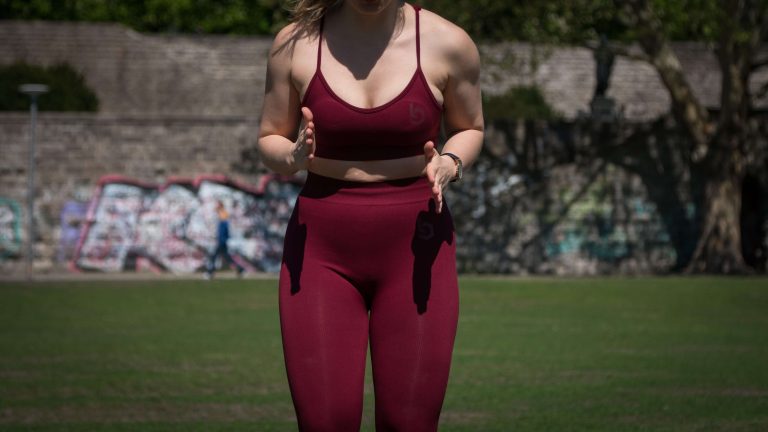


Fast walking for weight loss is one of the simplest ways to become more active without joining a gym or following difficult workout programs. However, many people still believe they need intense exercise or long runs before they can lose weight.Because of that, many give up before they even begin.
The truth is much simpler.
Fast walking is one of the easiest, safest, and most affordable ways to lose weight. It doesn’t require expensive equipment, special training, or years of fitness experience. Almost anyone can make it part of their daily routine.
Across Europe and North America, many people include brisk walking in their everyday lifestyle. It helps increase daily movement, burn more calories, improve heart health, and boost overall energy.
The World Health Organization (WHO) also recommends regular physical activity as an important part of staying healthy. Fast walking is one of the simplest forms of exercise because it is suitable for people of different ages and fitness levels.
In this guide, you’ll learn:
- Why fast walking helps with weight loss.
- The difference between normal walking and brisk walking.
- How beginners can get started the right way.
- Simple habits that can help you see better results.
Let’s look at how this easy daily habit can support your weight-loss journey.
Why Fast Walking for Weight Loss Really Works
Walking is already a healthy form of exercise, but increasing your pace makes your body work a little harder.
As your walking speed increases:
- Your heart beats faster.
- Your breathing becomes deeper.
- Your muscles work harder.
- Your body burns more calories.
Over time, your body begins using stored fat as a source of energy more efficiently.
Another advantage is that fast walking places less stress on your knees and joints than running. That makes it a great option for beginners, older adults, or anyone returning to exercise after a break.
One of the best things about fast walking is that it costs very little. A comfortable pair of walking shoes and a little time each day are all you really need.
Normal Walking vs. Fast Walking
Many people ask,
“I already walk every day. Isn’t that enough?”
Regular walking is certainly good for your health, but brisk walking provides a higher level of physical activity.
During a normal walk, you can move comfortably without noticing much change in your breathing.
During fast walking, you’ll notice a few differences:
- Your body starts to feel warmer.
- Your breathing becomes faster.
- You may begin to sweat lightly.
- You can still maintain the pace without feeling exhausted.
This steady effort helps your body burn more energy without putting too much strain on your muscles or joints.
How to Start Fast Walking for Weight Loss
Simply knowing that fast walking helps with weight loss isn’t enough. The real results come from walking at the right pace and staying consistent.
The good news is that you don’t need to be an athlete. You simply need to choose a pace that feels comfortable but slightly challenging, then keep it consistent.
How Fast Should You Walk?
Fast walking doesn’t mean walking as fast as you possibly can.
Instead, it means walking faster than your normal pace while still being able to maintain that speed.
While walking, you should notice that:
- Your heart rate increases slightly.
- Your breathing becomes quicker.
- Your body feels warm.
- You don’t feel completely out of breath.
This is the pace where your body burns more calories while remaining comfortable enough to continue.
Use the “Talk Test”
If you don’t use a fitness watch or heart-rate monitor, there’s a very simple way to check your pace.
It’s called the Talk Test.
While walking:
- You should be able to carry on a conversation.
- But singing your favorite song should feel difficult.
If talking is hard, you’re walking too fast.
If you can chat effortlessly without any change in breathing, you can probably increase your pace a little.
Many fitness experts recommend this simple method because it’s easy for anyone to use.
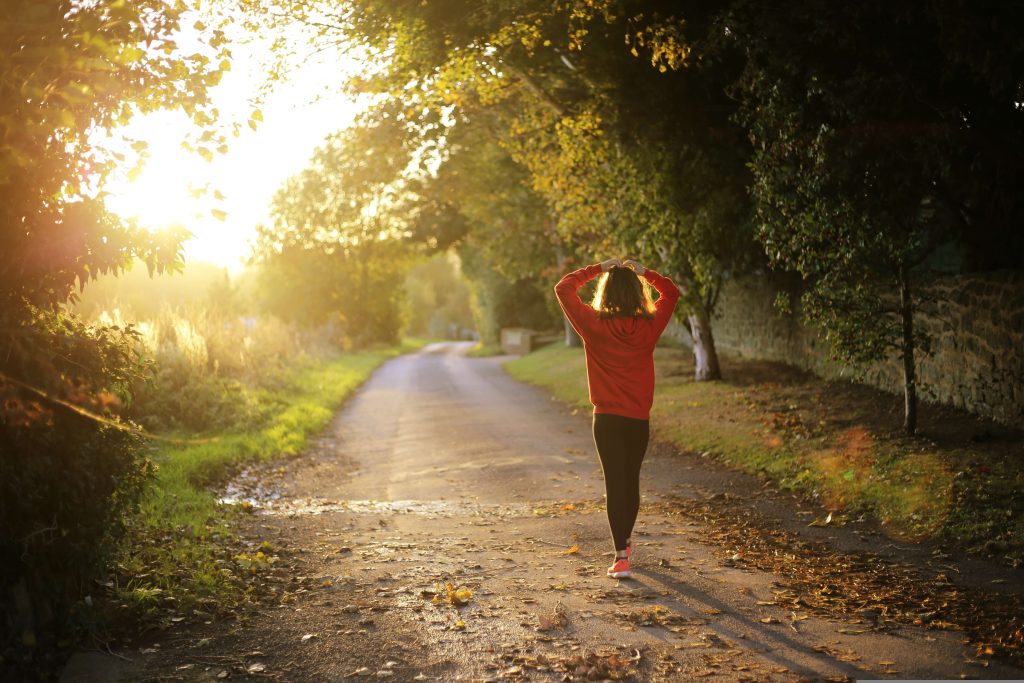
3 Easy Steps for Beginners
Building a healthy habit doesn’t have to be complicated. Starting slowly usually leads to better long-term success.
1. Wear Comfortable Walking Shoes
Choose shoes that support your feet properly.
Good walking shoes can:
- Reduce foot pain.
- Lower pressure on your knees and ankles.
- Make longer walks much more comfortable.
2. Warm Up for Five Minutes
Begin with an easy walk before increasing your speed.
A short warm-up helps:
- Prepare your muscles.
- Reduce the risk of injury.
- Make brisk walking feel easier.
Avoid starting at full speed immediately.
3. Walk in Intervals
Intervals are perfect for beginners.
Try this simple routine:
- Walk fast for 2 minutes.
- Slow down for 1 minute.
- Repeat several times.
This method helps improve fitness gradually without making you feel exhausted.
As your fitness improves, you can slowly increase the amount of time you spend walking briskly.
Common Beginner Mistakes
Many people lose motivation because they try to do too much too soon.
Some common mistakes include:
- Walking too far on the first day.
- Giving up after a few days.
- Never taking a recovery day.
- Focusing only on distance instead of walking pace.
Remember, lasting weight loss comes from consistency—not from one difficult workout.
How Long Should You Walk Each Day?
If you’re just getting started, aim for 20 to 30 minutes of brisk walking each day.
As your fitness improves, you can gradually increase your walks to 40 to 45 minutes.
Choosing a routine that you can maintain every week is much more important than walking for long periods occasionally.
Walking at least five days a week can make a positive difference to your overall health.
Is Morning Walking Better?
Walking at any time of the day is beneficial.
However, many people enjoy morning walks because they help them start the day feeling active and refreshed.
Morning walking may also help you:
- Feel more energetic.
- Stay active throughout the day.
- Build a consistent daily routine.
- Avoid skipping your workout later.
The most important thing is to stay consistent.
If mornings don’t fit your schedule, don’t worry. Walking in the afternoon or evening is still an excellent choice. If you’re unsure which time suits your lifestyle, read our guide on Best Time to Walk: Morning or Evening?
Simple Habits That Can Improve Your Results
Small daily habits can make your walking routine even more effective.
- Drink a glass of water before you leave home.
- Eat a balanced meal after your walk.
- Try to walk at the same time each day.
- Gradually increase your walking time or distance.
- Get enough sleep to help your body recover.
If you usually walk in the morning, eating the right foods before and after your walk can also support your energy levels. Learn what to eat before and after a morning walk to get the most from your walking routine.
Final Thoughts
Losing weight doesn’t have to be complicated.
Fast walking for weight loss is a simple, safe, and effective way to become more active. By walking at the right pace and staying consistent, you can burn more calories, improve your fitness, and build a healthier lifestyle over time.
As we often say, big changes begin with small steps.
Put on your comfortable walking shoes, head outside, and start today. Every fast step you take brings you one step closer to a healthier and stronger version of yourself.
Related Articles
- How Long Should You Walk for Weight Loss?
- 5 Walking Mistakes Beginners Make That Stop Weight Loss
- Best Time to Walk: Morning or Evening?
- What to Eat Before and After a Morning Walk?